Capital Insider
  • Founders
  • /Capital
  • /Signals
  • /Companies
  • /Deep Tech
  • /Magazine
  • /Events
  • /Members
Join
FoundersCapitalSignalsCompaniesDeep TechMagazineEventsMembers
Capital Insider
Inside India's Ambition Economy
Editorial
  • Founders
  • Capital
  • Companies
  • Magazine
  • Members
Company
  • About
  • Privacy Policy
  • Terms
  • Editorial Policy
  • Grievance Officer
  • Contact
Community
  • Founders
  • Events
  • Innovation
  • Members
© 2026 Capital Insider. All rights reserved.Built for India's Ambition Economy
Capital

Nippon India Mutual Fund Becomes First AMC to Cross 4 Crore Folios

The fund house has 14.4% of the industry’s folios and 39% of unique investors, the most of any mutual fund in India in terms of reach

By Nikhil Sumal26 July 2026 at 06:15 pm4 min read
Nippon India Mutual Fund Becomes First AMC to Cross 4 Crore Folios

The fund house has 14.4% of the industry’s folios and 39% of unique investors, the most of any mutual fund in India in terms of reach

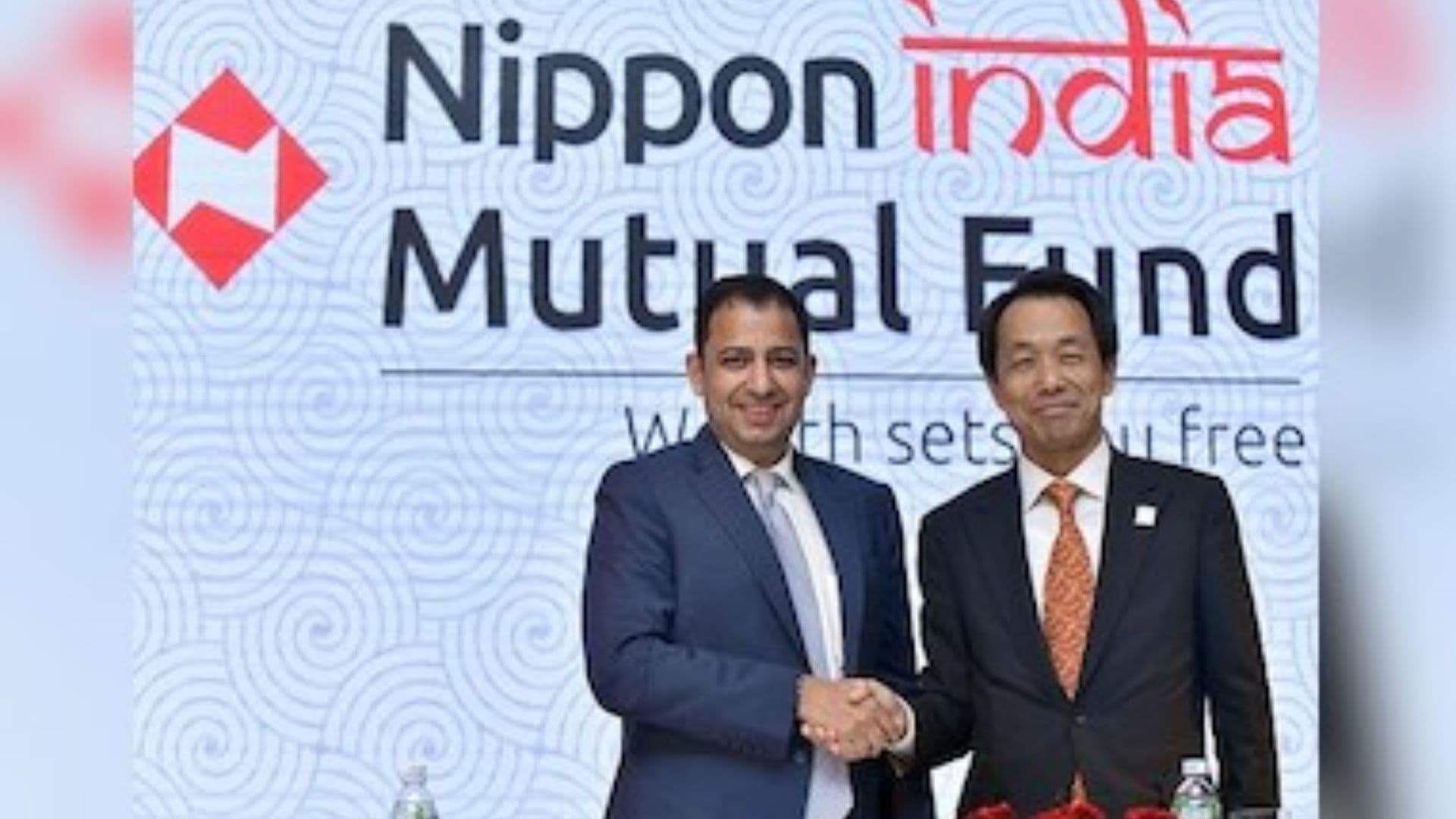
Nippon India Mutual Fund has become the first asset management company in India to surpass 4 crore folios, according to data from the Association of Mutual Funds in India. The overall mutual fund industry had 27.86 crore folios at the end of June, with Nippon India accounting for 4.02 crore of them — the largest share of any single AMC.

A Dominant Investor Base

Beyond folio count, Nippon India also holds the industry’s largest unique investor base at 2.41 crore, representing 39% of the sector’s 6.19 crore unique investors. MD and CEO Sundeep Sikka said the milestone reflected the trust of millions of retail investors and the wealth-creation journey the fund house has enabled, while also noting its role in channelling household savings into Indian capital markets and facilitating Japanese investor participation in India’s growth story.

Where Other Fund Houses Stand

ICICI Prudential Mutual Fund came second in the race for the biggest number of folios with 3.18 crore, followed by HDFC Mutual Fund with 3.11 crore, SBI Mutual Fund with 2.24 crore, UTI Mutual Fund with 1.42 crore, Axis Mutual Fund with 1.35 crore, Tata Mutual Fund with 1.28 crore, Kotak Mahindra Mutual Fund with 1.19 crore, Aditya Birla Sun Life Mutual Fund with 1.11 crore, and DSP Mutual Fund with 1.03 crore, respectively.

Concentration at the Top

In total, the top 10 AMCs by number of folios had 19.94 crore mutual fund folios, representing 71.6% of the market, with the rest belonging to the other numerous fund management companies. At the same time, the number of unique investors stood at 6.19 crore, compared to the huge number of folios. This suggests that, on average, an investor has several folios with different schemes and fund companies.


More in Capital
Trading volumes in Life Insurance Corporation of India (LIC) stock recently jumped on the NSE as investors closely tracked the government’s ongoing stake sale and broader market sentiment. Shares of Life Insurance Corporation of India (LIC) recently saw their trading volumes rise amid market activity. It witnessed an exceptional rise in trading activity on Tuesday, with volumes on the National Stock Exchange (NSE) increasing far beyond their recent average. Nearly 405 million shares changed hands, representing a more than 29-fold increase compared to the stock’s average daily trading volume over the previous two weeks. A surge in trading volumes generally indicates heightened investor participation, although it doesn’t necessarily point to a particular market direction. Such movements often occur when significant corporate or government-related developments influence investor sentiment. Government stake sale led to an increase in LIC’s trading activity. The sharp increase in LIC’s trading activity came as the Government of India initiated an Offer for Sale (OFS) to reduce its stake in the state-owned insurer. The sale attracted considerable attention from both institutional and retail investors, resulting in elevated market participation throughout the trading session. The discounted offer price prompted increased buying and selling activity as market participants assessed the valuation and potential opportunities arising from the stake sale. While the stock experienced pressure during the session, the surge in volumes reflected active participation rather than a lack of investor interest. Why do the trading volumes matter? A substantial increase in volumes may suggest that investors are reacting to fresh information, major announcements or changes in ownership patterns. For listed companies like LIC, unusually high trading volumes can indicate stronger liquidity and greater market interest. However, analysts generally caution that volume should be interpreted alongside price movements, broader market conditions and company fundamentals before drawing investment conclusions. Despite the decline in LIC’s share price during the session, institutional demand for the government’s OFS remained encouraging. Reports indicated that the non-retail portion of the offer witnessed robust participation on the first day, highlighting continued investor confidence in India’s largest life insurer. Market experts believe that the government’s divestment could improve liquidity in the stock and help increase its public shareholding, aligning with regulatory requirements over the long term. The sharp jump in LIC’s trading volumes showcases how major policy decisions and stake sales can significantly influence market activity. While elevated trading volumes alone don’t indicate future price direction, they reflect increased investor engagement and greater interest in the stock.
Capital

Amid market activity, LIC shares see a sharp surge in trading volumes

By Ravi Tiwari4 min read
On the BSE SME platform, Advance Technoforge debuts below the issue price
Capital

On the BSE SME platform, Advance Technoforge debuts below the issue price

By Vandana Gehlaut4 min read
Zee Entertainment’s top bosses fined almost ₹1.5 crore by SEBI for fund diversion
Capital

Zee Entertainment’s top bosses fined almost ₹1.5 crore by SEBI for fund diversion

By Ravi Tiwari4 min read