The latest revision, effective in September, comes as the automaker faces sustained input-cost pressures and inflation.
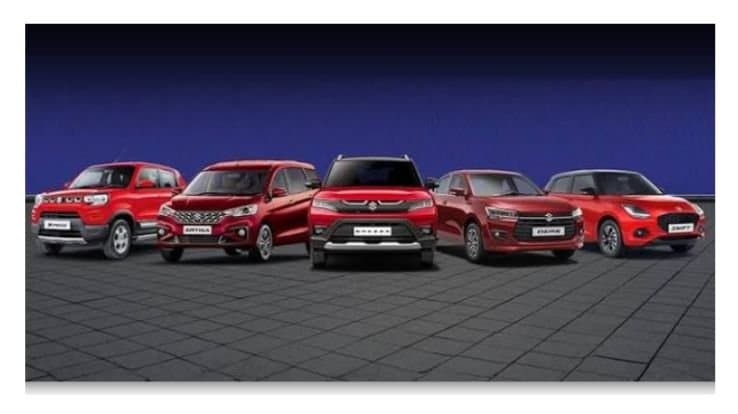
Maruti Suzuki India has announced another increase in the prices of select passenger vehicles, with prices set to rise by up to ₹20,000 in September 2026. The move marks the company’s third car price hike since May, adding to a series of revisions introduced over the past few months.
Unlike the previous two increases, which covered the company’s broader vehicle portfolio, the latest Maruti Suzuki price hike will be limited to selected models. The company said sustained increases in input costs and ongoing inflationary pressures drove the decision.
Rising input costs behind the decision.
In a regulatory filing, Maruti Suzuki said it had been taking steps to contain the impact of higher costs through internal cost-reduction measures. However, continued pressure on input expenses has led the company to pass part of the additional cost on to customers.
The latest adjustment reflects a broader challenge facing automobile manufacturers, as fluctuations in raw-material and operating costs continue to influence vehicle pricing. Other carmakers have also made price adjustments in recent months amid similar cost pressures.
Third increase since May.
The September revision follows two earlier rounds of price increases announced by Maruti Suzuki since May. Those hikes were broader and affected vehicles across the company’s portfolio, with the August increase going up to ₹30,000 in some cases.
The latest hike is comparatively narrower, with the maximum increase capped at ₹20,000 and applicable only to selected models. For prospective buyers, the change means that the final cost of an affected vehicle will depend on its model, variant and the revised ex-showroom price. The impact on the overall purchase cost will also vary depending on registration charges, insurance and other applicable expenses.
The latest revision is therefore another development for consumers to consider as automakers navigate higher costs while attempting to maintain demand in a competitive Indian automobile market.