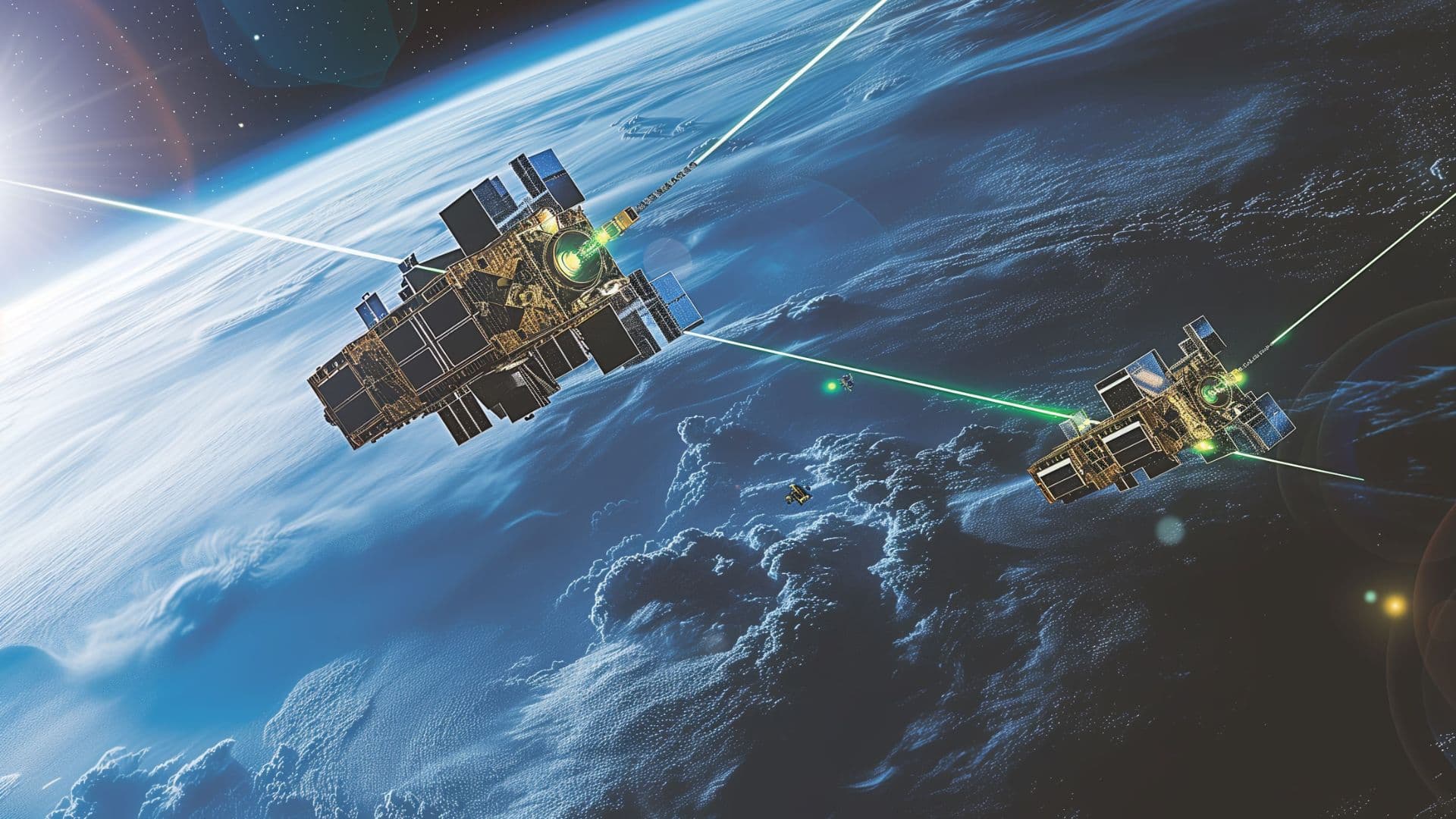
With evolving cyber threats and advances in quantum computing, Indian DeepTechstartups are stepping into one of the most critical frontiers of digital security: quantum-resilient communication.
India’s space-tech ecosystem has been continuously expanding beyond satellites and launch vehicles. A new generation of startups is now focusing on the infrastructure that could define the future of secure communication. Among them is Pramatra Space, a Bengaluru-based DeepTech venture developing quantum-resilient communication systems for both space and terrestrial applications.
The venture, founded in 2023 by RichaHukumchand and Vinay Hukumchand, has been building tech aimed at protecting critical digital infrastructure against what experts call “Q Day,” the point when quantum computers may become powerful enough to break conventional encryption systems.
Why is quantum security becoming so urgent?
Most modern digital systems, from banking to defence, rely on encryption protocols like RSA and ECC. But advancements in quantum computing are raising concerns that these systems may eventually become vulnerable. This has accelerated global interest in quantum-safe communication.
Pramatra Space’s focus lies in Quantum Key Distribution (QKD), a method of secure communication that uses quantum mechanics to exchange encryption keys. Unlike traditional methods, QKD can detect interception attempts, making it a potentially stronger defence against future cyberattacks. The concept has already been tested globally through projects like Quantum Key Distribution and China’s Micius satellite mission.
Building security beyond Earth.
What makes Pramatra Space notable is its hybrid approach. The startup is developing both satellite-based and ground-based QKD systems, including a chip-scale payload for low Earth orbit deployment and hardware modules for fibre and free-space networks. This dual-layer model reflects a growing industry push to integrate quantum communication into real-world infrastructure rather than limiting it to research labs. The company recently raised pre-seed funding to accelerate development, with an in-orbit demonstration planned for 2027.
Pramatra’s emergence highlights a larger shift in India’s startup ecosystem. Investors and policymakers are increasingly backing sectors such as quantum tech, cybersecurity, and advanced space infrastructure, which are seen as strategically important in the long term. As the world prepares for the next wave of computing disruption, startups like Pramatra Space are positioning themselves at the intersection of space innovation and digital defence, where the future of secure communication may well be decided.