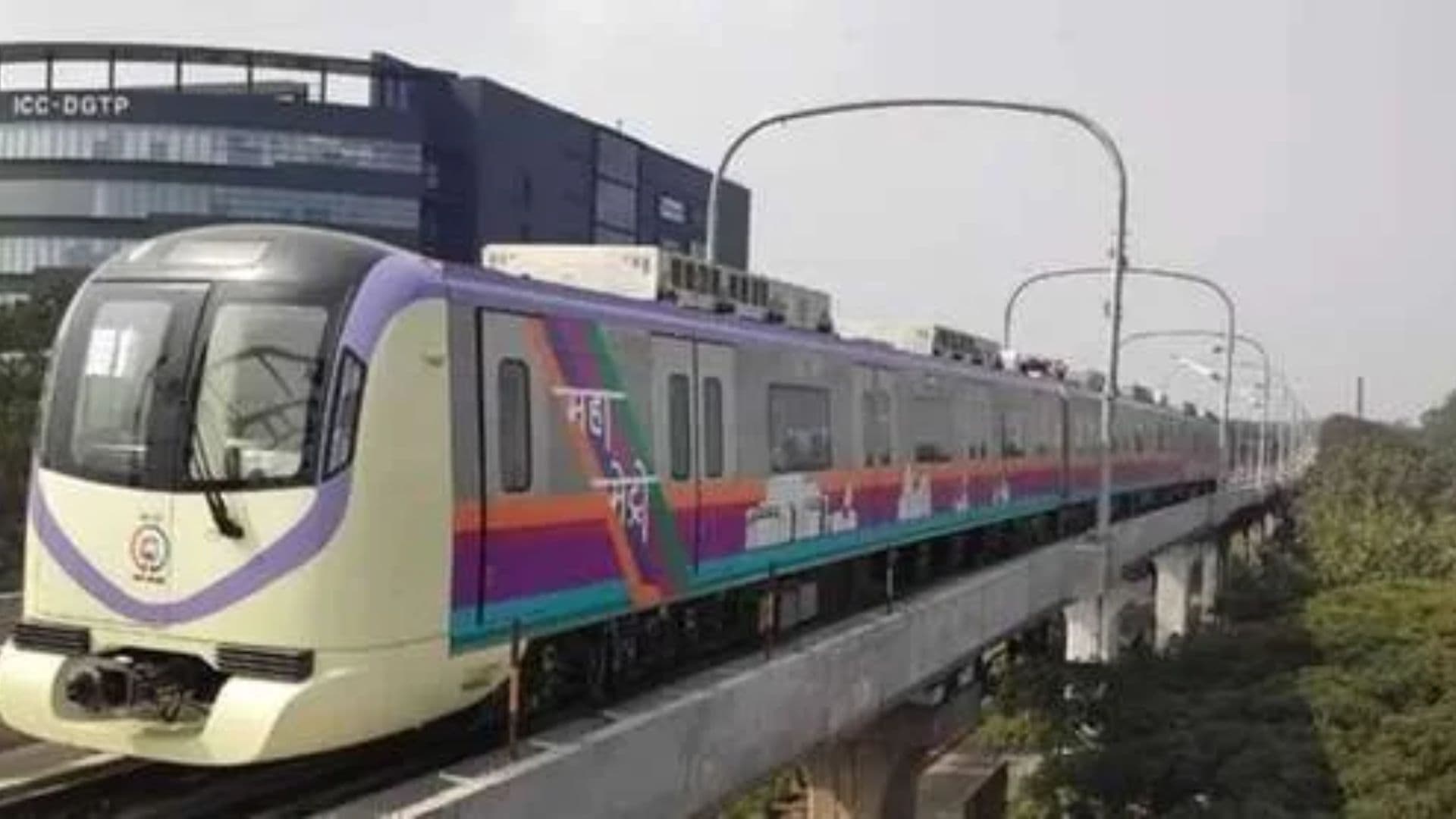
Siemens, in a recent strategic move, has secured an order from Titagarh Rail Systems Limited to supply advanced propulsion and control technologies for the Pune Metro extension.
Siemens, the tech giant, has been sharpening its focus on AI, automation, and smart infrastructure as India accelerates its manufacturing ambitions. It’s stepping up its commitment to India’s manufacturing ecosystem, placing digital transformation at the centre of its long-term strategy. At its recent Innovation Day 2026 in Mumbai, the global technology company showcased its growing focus on industrial AI, digital twins, automation, and electrification, technologies increasingly shaping the future of factories worldwide.
The company’s latest initiatives come as India aims to strengthen its position as a global manufacturing hub under its “Make in India” roadmap. With supply chains evolving and industries under pressure to improve efficiency, companies are rapidly adopting smart manufacturing tools to stay competitive.
Siemens integrates AI into factory operations.
A major theme emerging from Siemens’ latest industrial roadmap is the integration of artificial intelligence into factory operations. From predictive maintenance to real-time production optimization, AI-driven systems are becoming a critical layer in modern manufacturing.
Siemens has highlighted how digital twin technology, virtual replicas of physical systems, can help manufacturers reduce downtime, test production changes faster, and improve operational accuracy before implementation. Industry experts say these technologies are no longer optional but essential as businesses deal with rising energy costs, labour shortages, and sustainability targets.
India remains a key growth market.
India continues to be central to Siemens’ global expansion plans. The company has already invested heavily in local manufacturing and infrastructure over the past decade, with a growing emphasis on increasing production capacity and supporting sectors such as power, rail, and industrial automation.
The broader significance is clear: as India’s manufacturing sector targets a larger share of GDP, technology partnerships like these could play a major role in improving productivity and global competitiveness.
For Siemens, the Indian market is no longer just a regional play; it is increasingly becoming a testing ground for the next generation of industrial innovation.