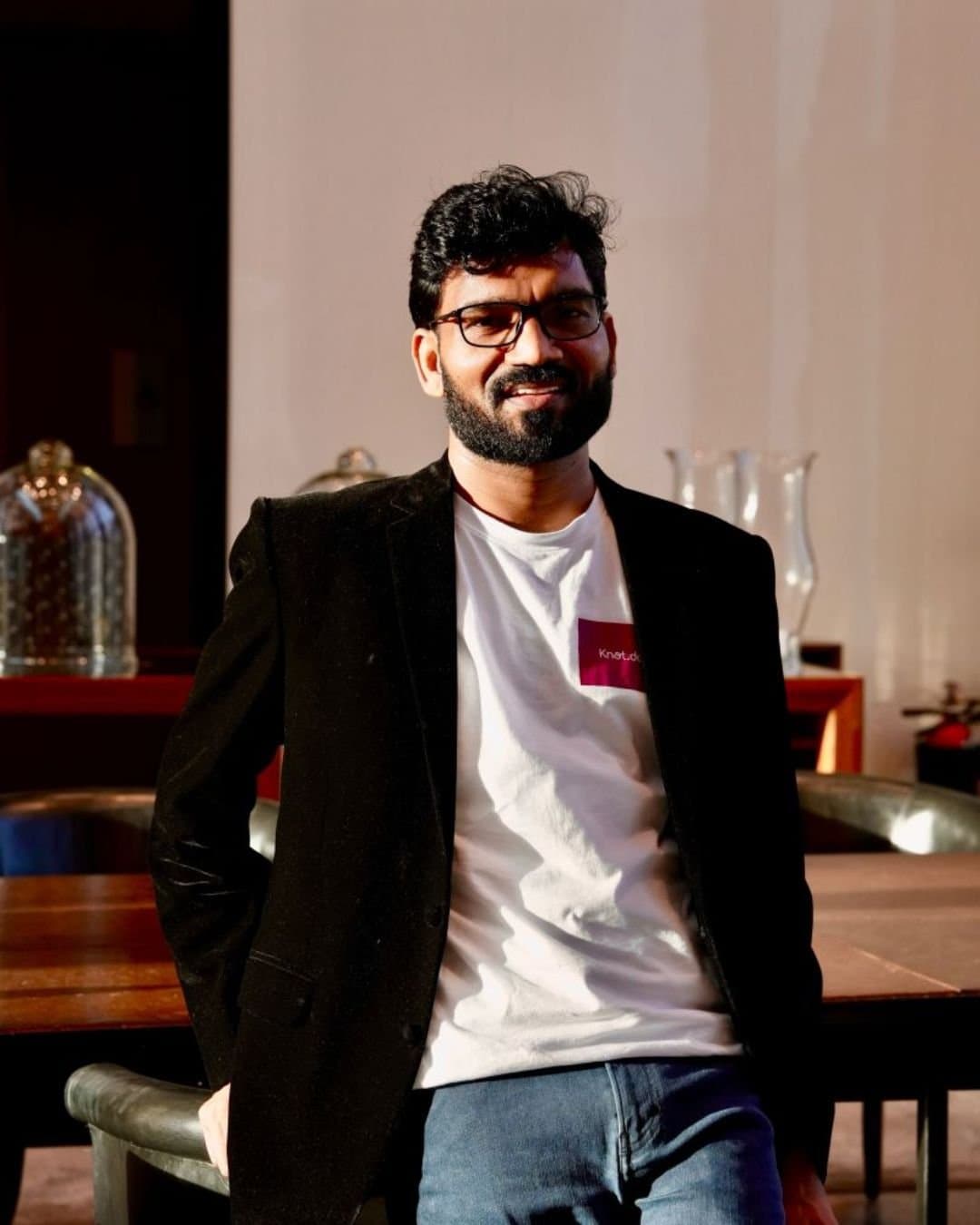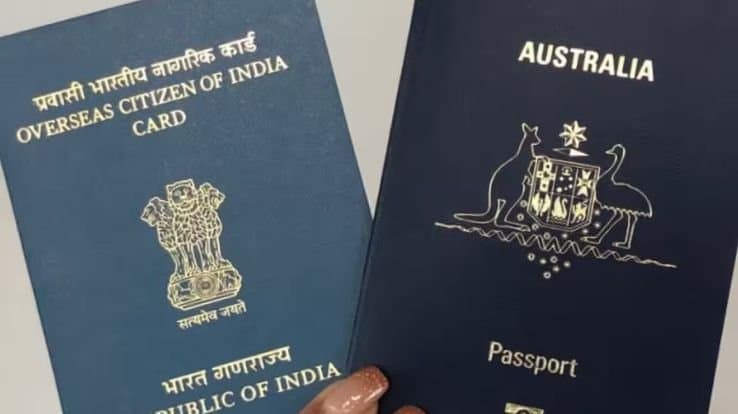
Entrepreneur Arun Chandran recalls the difference in visa requirements and international travel after becoming an Australian citizen.
For many Indian travellers, getting a visa can involve extensive paperwork, financial documents, and uncertainty about whether an application will be approved. Entrepreneur and author Arun Chandran recently shared how international travel changed after he moved from an Indian passport to an Australian passport.
Chandran, founder of Explore Melbourne and Aurora Australis Community, became an Australian citizen in 2019. Before that, he said he had travelled to around 39 countries using his Indian passport. His account has renewed discussion around passport privilege, visa access and how nationality can influence international mobility.
The visa process came as a major hurdle.
In an Instagram video, Chandran recalled the amount of documentation involved in applying for visas as an Indian passport holder. He particularly remembered applying for a Schengen visa while living in Melbourne. According to Chandran, despite travelling from Australia to Europe, he received a visa that allowed him to stay for only 12 days.
He said the journey itself took roughly a day each way, leaving him with about 10 days in Europe. He suggested the experience highlighted the difference between having access to international travel and repeatedly proving eligibility for it.
A different experience after Australian citizenship.
Chandran said his experience changed after he became an Australian citizen in 2019. One example he highlighted was a subsequent trip to Italy, where he could travel without applying for a visa in advance. The contrast made him reflect on what he described as passport privilege, the differing levels of international access associated with passports issued by different countries. Passports from countries such as Australia, the United States, and the United Kingdom generally give holders broader visa-free or visa-on-arrival access than passports from many developing countries. This can significantly affect the planning, cost and certainty involved in international travel.
Chandran’s comments point to a wider issue in global mobility. A passport isn’t simply an identity document; it can also determine how easily a person can cross borders. For frequent travellers, fewer visa requirements can reduce paperwork, processing time and uncertainty. For others, international travel may involve submitting extensive financial, employment and travel documentation before departure.
Chandran summed up his experience by saying that after switching passports, “most of the world opened up.” His observation reflects how citizenship can alter the practical experience of global travel, particularly for people who regularly move between countries for business, work or leisure. Chandran’s experience therefore goes beyond a personal travel story. It illustrates how passport strength, visa-free travel and citizenship can shape international mobility and the practical realities of travelling across borders.