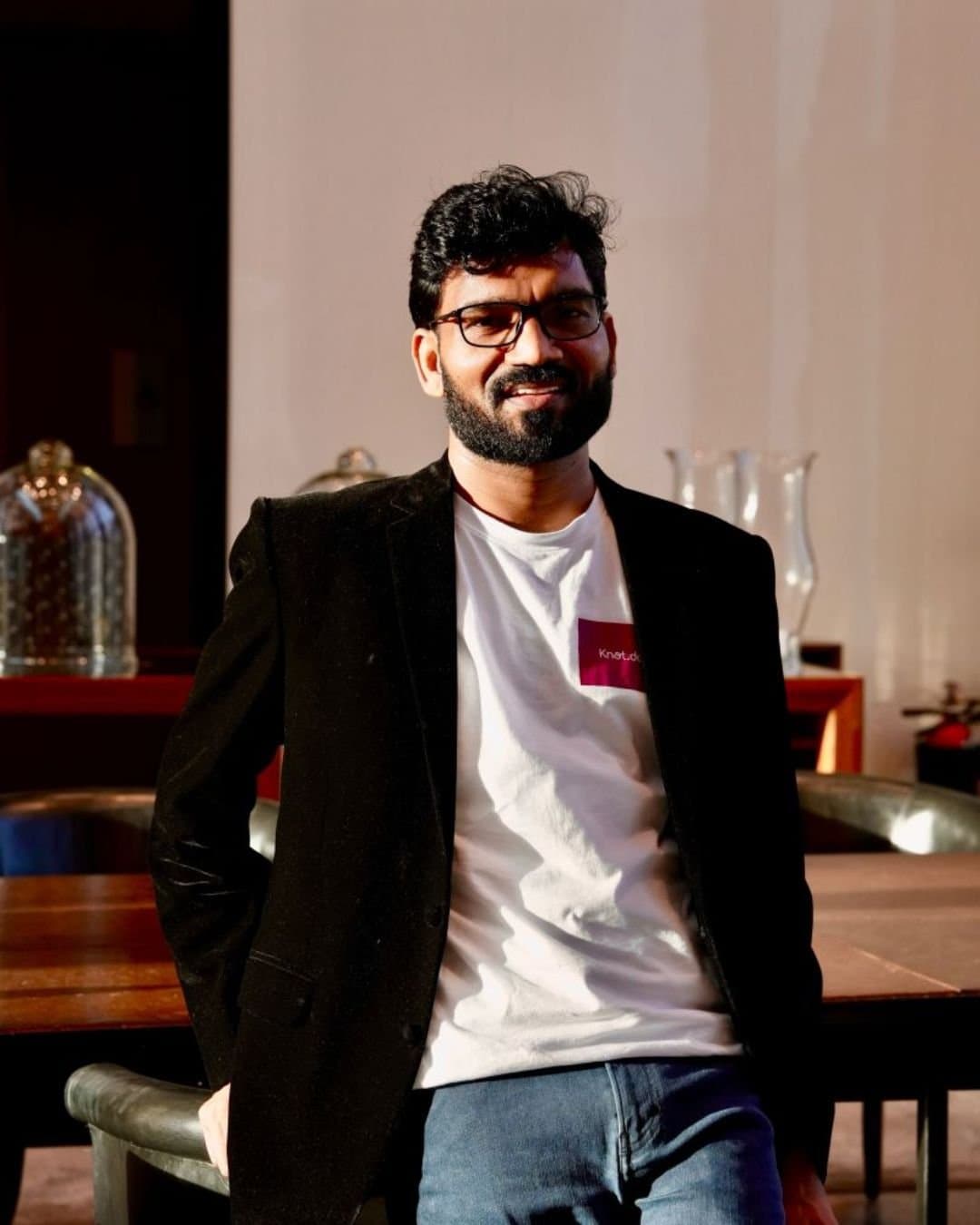
Knot Dating co-founder Jasveer Singh shares a prospective groom’s unusual condition, sparking debate over how specific preferences are becoming part of modern matchmaking.
Matchmaking platforms routinely handle detailed preferences, ranging from age, education, and profession to location, income, and lifestyle choices. But one recent request reportedly caught the attention of Knot Dating co-founder and CEO Jasveer Singh. According to Singh, a male member using the matrimony platform was clear that he didn’t want to marry a woman who had a tattoo. Singh shared the experience on social media, describing it as a requirement he hadn’t encountered before.
The post quickly attracted massive attention online, largely because of the practical question behind the preference: How should a matchmaking platform account for such a specific personal choice?
Where should apps draw the line?
Singh explained that the member had already been introduced to several profiles. As part of the matchmaking process, an advisor sought his feedback on the potential matches. While preferences are a routine part of arranged marriage and online matchmaking, tattoos are not generally treated in the same way as more conventional criteria such as education, profession or location.
The incident raises a broader question about the increasing number of personal preferences that dating and matrimonial platforms may be expected to accommodate. Not every preference can necessarily become a formal search filter. Adding too many narrowly defined criteria could make matchmaking systems increasingly complicated and potentially reduce the pool of prospective matches.
Social media users weigh in.
The post generated a mixed response on social media. Some users considered the tattoo preference reasonable, arguing that people should be allowed to have personal boundaries when choosing a life partner. Others questioned whether every individual preference needs to be incorporated into a matchmaking platform’s filtering system. Some pointed out that continuously adding new criteria could eventually result in an increasingly extensive list of filters.
The episode also highlights the difference between having a personal preference and expecting a digital platform to operationalise it. While users can communicate their expectations during the matchmaking process, turning every preference into a searchable category may not always be practical.
As dating apps and matrimonial platforms continue to evolve, balancing personal choice with workable matchmaking systems is likely to remain an ongoing challenge.