Bharat Intelligence uses WhatsApp-based matchmaking to replace India’s informal labour chowks with a structured “Labour OS”
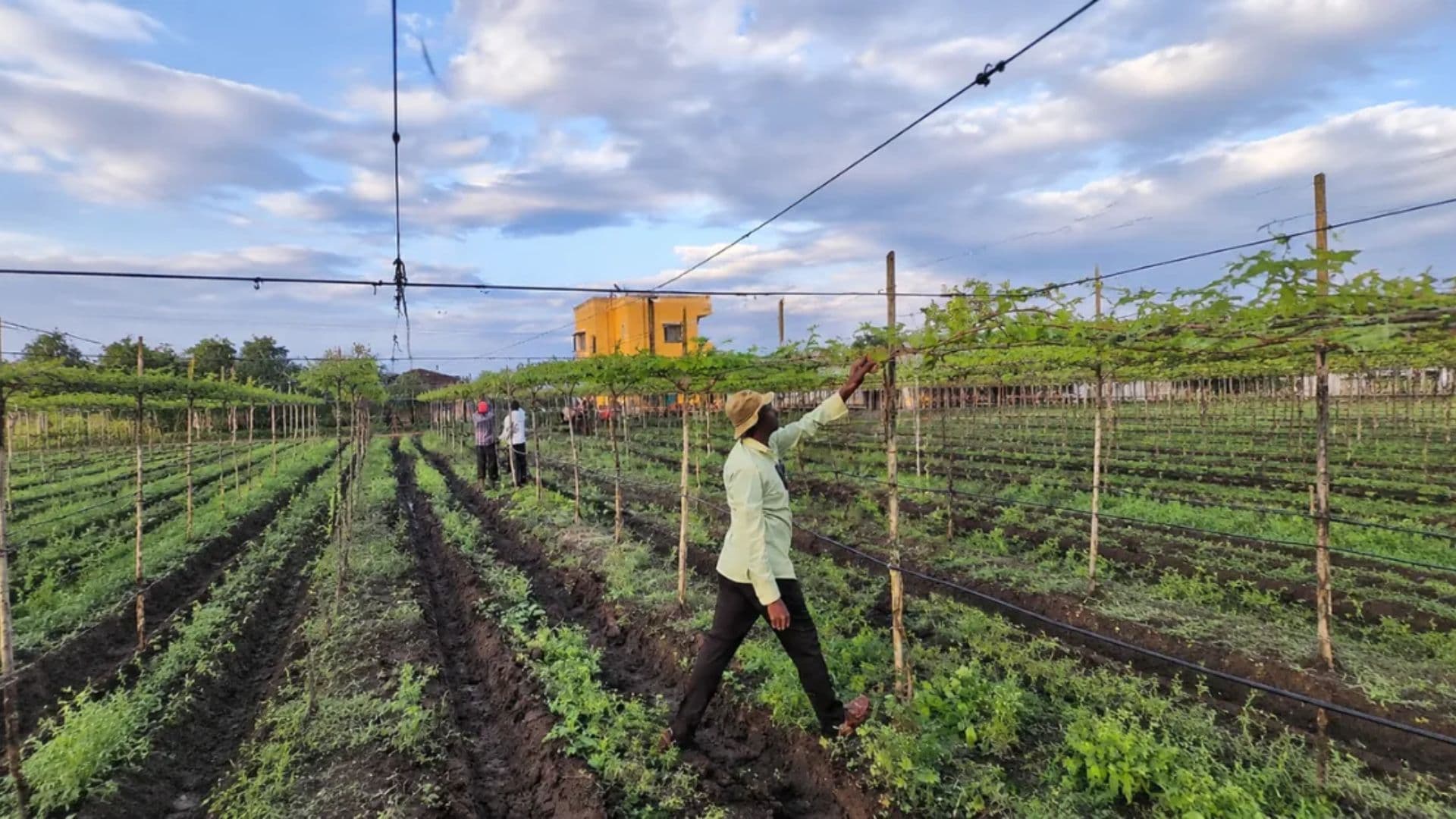
In Nashik’s grape belt, farmer Bapusaheb Salunkhe now arranges his day’s labour with a few taps on WhatsApp instead of scrambling at dawn. The shift is the work of Bharat Intelligence, an AI-powered platform founded by Azaan Merchant and Gaurav Sanghai to fix what they saw as a chronically ignored issue: India’s 144.3 million-strong agricultural workforce operates almost entirely on guesswork, with no reliable data connecting farmers to skilled, available labour.
Traditional hiring relies on word-of-mouth, dawn negotiations at labour chowks, or middlemen — a system rife with mistrust and delays that can jeopardise time-sensitive harvests.
Building a “Labour OS”
Bharat Intelligence does not require farmers or labourers to download an app to interact with each other; instead, they use WhatsApp and voice calls to communicate. The platform uses nearly 100 data points per farmer (e.g., crop type, crop planting date) to determine each farmer’s labour needs many months in advance. Additionally, the platform collects information on the skill sets available to labourers and when they will be available via the sarpanch or other community networks.
Early Results and Rising Incomes
The platform has covered more than 5,000 acres and deployed more than 3,000 labourers in Nashik. The repeat rate of farmers who have accessed the platform is 86% without using any marketing. Labourers now earn between Rs. 800 and Rs. 1,000 per day, which has increased the average monthly earnings of labourers from Rs. 6,000-7,000 per month for the past few months to almost Rs. 20,000 per month. About 50% of the labourers are women, and approximately 50% of those women work in husband-and-wife teams.
Farmers pay approximately Rs. 25,000 per acre for coordination of labour for the entire growing season, whilst labourers benefit from approximately 300 days per year of guaranteed employment.
What’s Next
The founders want to eventually move beyond grapes to cotton and sugar candy, serving 1 million labourers within the next five years.