Taiwan Excellence’s Go Healthy with Taiwan 2026 is open to health and wellness innovators worldwide, including India, and last year’s winners ranged from an AI sports injury tool to wartime hospital infrastructure
Winston Yang left a career in finance at Deutsche Bank and Deloitte because he could not stop thinking about a problem that had nothing to do with spreadsheets. Athletes at every level were getting injured in ways that were entirely preventable, and the technology to catch those injuries early existed but cost more than most sports programmes would ever see. In 2017, he founded IdeasLab Inc in New York to fix that.
The AI tool he built, XView AI, reads human biomechanics in real time from a standard smartphone video, no sensors, no markers, no lab required. It was among the first technologies validated when nine-time PGA Tour champion KJ Choi’s son ran his father’s golf swing through the app without telling him. The AI flagged a mechanical flaw. Choi corrected it. A month later, at 54, he became the oldest Asian-born golfer to win a tournament. He then became the company’s first outside investor.
The Competition That Followed
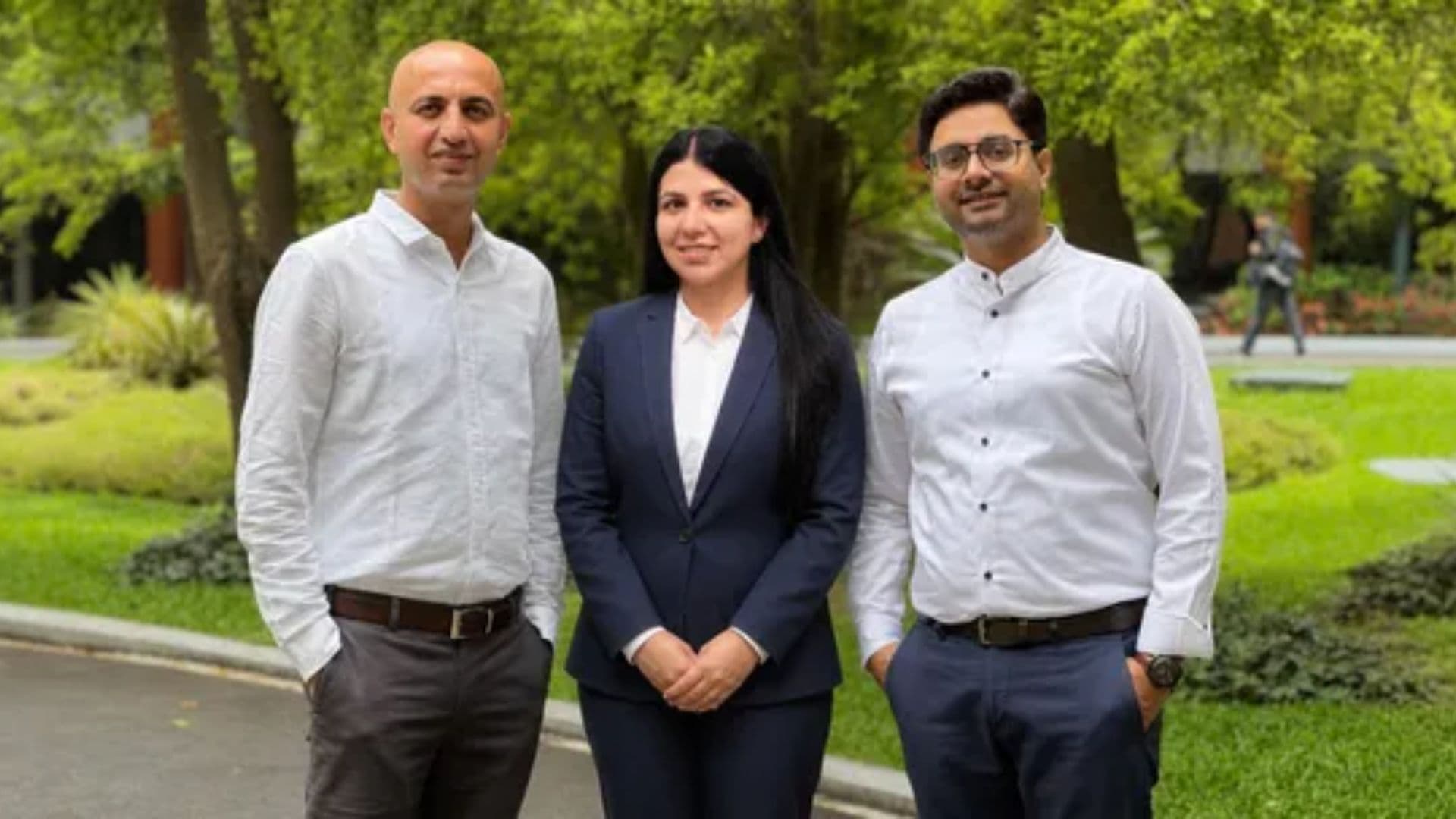
Yang entered Taiwan Excellence’s Go Healthy with Taiwan 2026 challenge with a baseball-focused version of XView AI paired with Taiwanese smart apparel and sensor technology. Out of 638 proposals from 55 countries, his team was one of three winners, each taking home USD 30,000.
What the 2026 Edition Offers
The deadline to submit entries for the latest edition is August 5, 2026, at 11:59 PM Taiwan time. The competition goes through a phase of screening in September where semifinalists are selected, and on the last part of the process there will be six finalists in November, and a chance for them to go for the finals in Taiwan without incurring any cost for flights, accommodation, and meals. There will be tours that the teams will take to some production companies in Taiwan. The winner will not only get 30,000 USD prize but will be offered assistance to establish a partnership with a manufacturers in Taiwan.
Last year’s winners addressed problems as different as sports injury prevention, wartime hospital infrastructure in Ukraine, and solar-powered healthcare wearables from Switzerland, reflecting the programme’s openness to ideas across health and wellness.