The government and automobile makers urged to focus on domestic supply chains, innovation, and sustainable mobility.
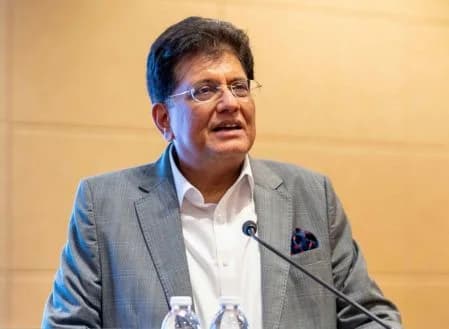
Union Commerce and Industry Minister Piyush Goyal has called for deeper localization across India’s automobile industry, saying stronger domestic capabilities will be important for the sector’s long-term competitiveness. Speaking at the 66th Annual Convention of the Society of Indian Automobile Manufacturers (SIAM) in New Delhi, Goyal highlighted the need for India to strengthen its position as a global centre for automotive manufacturing, technology, and design.
The comments come as the Indian automobile sector navigates several changes at once, including the shift towards electric vehicles, the adoption of advanced technologies and continuing uncertainty in global supply chains.
Supply-chain resilience remains a priority.
Goyal stressed that reducing dependence on vulnerable international supply chains should remain a key priority for the industry. Greater domestic production of components and other inputs could help manufacturers manage disruptions and improve supply-chain resilience.
The minister also pointed to the importance of securing critical minerals and maintaining reliable energy supplies. Both have become increasingly significant as the global automotive industry moves towards electric and technology-intensive vehicles. For Indian manufacturers, the challenge is not limited to increasing production. Building a dependable ecosystem of suppliers, technology providers and skilled workers will also be necessary to support future growth.
Focus on research and innovation.
The government has also urged automobile companies to increase investments in research and development, technology and product quality. These areas are becoming increasingly important as competition among global automotive manufacturing hubs intensifies.
Goyal said Indian companies need to combine manufacturing capabilities with innovation and quality if the country is to expand its presence in international markets. India’s expanding network of Free Trade Agreements could provide another avenue for growth by giving automobile manufacturers and component suppliers greater access to overseas markets. The discussions at the SIAM convention also reflected the industry’s broader transition towards sustainable mobility. Electric vehicles, cleaner technologies and more efficient manufacturing processes are reshaping the automotive sector. The government’s message was that future growth cannot depend solely on higher production volumes. Localization, innovation, resource security, quality and sustainability will increasingly determine how competitive India’s automobile industry becomes.