The ride-hailing giant integrates its zero-commission food platform as it looks to tap millions of existing users across its mobility network.
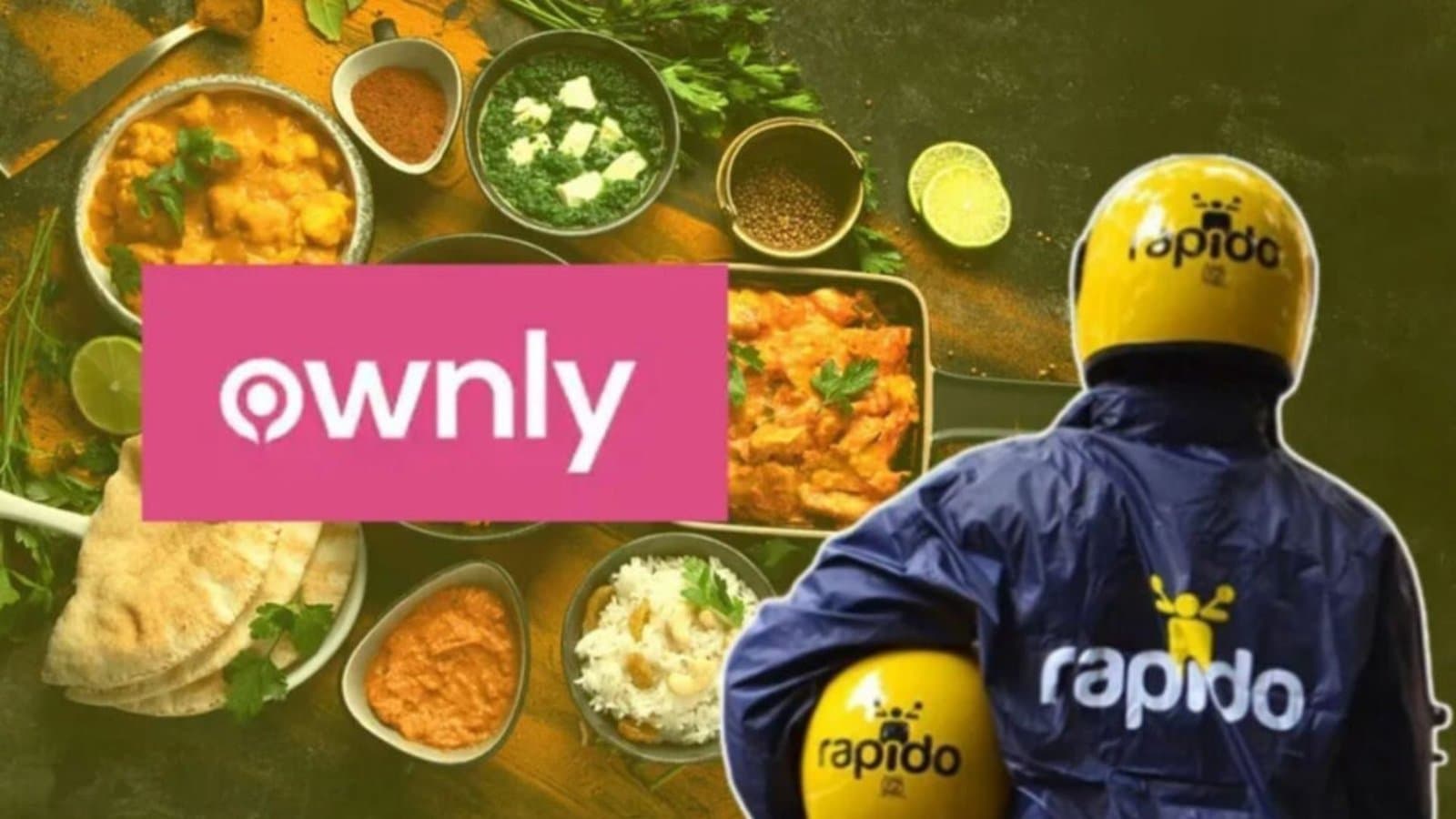
Ride-hailing firm Rapido has integrated Ownly, its standalone food delivery platform, into its primary app, giving its monthly active users access to food ordering alongside ride bookings on one platform. Ownly currently partners with nearly 20,000 restaurants.
Built on a Zero-Commission Model
Launched this year through a pilot in Bengaluru, Ownly does not take a cut from individual orders. Rather, it uses a subscription-based pricing model. The service is currently only available in Bengaluru, with no word yet on when it’ll roll out to other markets.
Leveraging Rapido’s Existing Network
The company stated that integrating Ownly into its ecosystem will enable the food delivery marketplace to operate on significantly reduced logistics costs by leveraging its existing rider base and not adding any additional burden to the restaurants. The company also stated that the acquisition will help it utilize its riders during off-peak mobility time slots.
Founders See a Structural Opportunity
Aravind Sanka, co-founder of Rapido and Ownly, stated that the company’s food delivery service was created to solve the industry problem of designing a business model that would offer value to both restaurants and consumers. He pointed out that the zero-commission model allows restaurants to maximize revenue from each order and deliver on-demand services to customers with full transparency. The co-founder identified the app’s integration as the key element of the growth strategy, enabling the model to scale much more effectively.
A Bigger Market at Stake
Rapido pointed out that India’s ride-hailing user base is nearly double the size of its online food-ordering user base, viewing this gap as an opportunity to convert existing mobility customers into food delivery users. According to brokerage firm Jefferies, India’s online food delivery market is projected to grow to nearly $25 billion by 2029-30, up from about $9 billion in 2024-25.