As investor confidence returns and manufacturers focus on scale, India’s EV ecosystem evolves from experimentation to long-term execution.
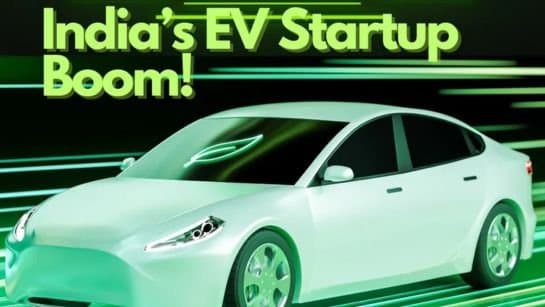
India’s electric vehicle (EV) sector has been showing signs of entering a more mature phase of growth. While the industry has spent the past few years building awareness, expanding product offerings, and navigating market challenges, recent investment activity suggests that stakeholders are increasingly focused on long-term opportunities rather than short-term momentum. The renewed flow of capital into EV companies showcases a larger shift in how investors view the sector. Instead of chasing rapid expansion alone, there is growing interest in businesses that can demonstrate manufacturing strength, operational efficiency, and a clear roadmap to sustainable growth.
Government incentives, increasing fuel prices, environmental concerns, and improvements in charging infrastructure have been creating favourable conditions for wider EV adoption across the country.
The industry’s focus now shifts from growth to scale.
As competition intensifies, especially in the electric two-wheeler segment, manufacturers are investing heavily in production capabilities, supply chain resilience, and battery technologies. Industry experts believe that the companies most likely to succeed in the coming years will be those capable of balancing innovation with efficient execution. The ability to manufacture at scale while maintaining quality and affordability is becoming a critical differentiator. With demand expected to rise steadily, production readiness is emerging as one of the industry’s most important priorities.
Success in the EV market is no longer determined solely by the technology under the hood. Consumers today are evaluating brands based on reliability, service accessibility, financing options, and overall ownership experience. As a result, companies are expanding retail footprints, strengthening after-sales support networks, and investing in customer engagement initiatives. This marks a significant evolution for the sector, where building trust and long-term customer relationships is becoming just as important as launching new products. Industry observers note that consumer confidence will play a major role in accelerating mass adoption, particularly in smaller cities and emerging markets where awareness continues to grow.
Investors have been looking for sustainable growth.
The return of investor interest signals confidence in the long-term prospects of electric mobility, but the criteria for attracting capital have changed. Unlike earlier years, when growth at any cost often dominated startup conversations, investors are increasingly prioritising financial discipline, operational efficiency, and profitability. Businesses that demonstrate strong fundamentals, scalable business models, and manufacturing capabilities are attracting greater attention. This shift reflects the broader maturation of India’s startupecosystem, where sustainable growth is becoming more important than headline-grabbing expansion.
As companies continue investing in manufacturing, research and development, charging infrastructure, and customer experience, the sector is gradually moving into its next phase of evolution. Strategic partnerships, larger funding rounds, and potential public market listings are expected to become increasingly common as businesses prepare for long-term growth.
For investors, policymakers, and industry leaders, the message is becoming clear: India’s EV transformation is no longer just about introducing electric vehicles. It is about building an ecosystem capable of supporting widespread adoption, creating sustainable businesses, and shaping the future of mobility in one of the world’s largest transportation markets.