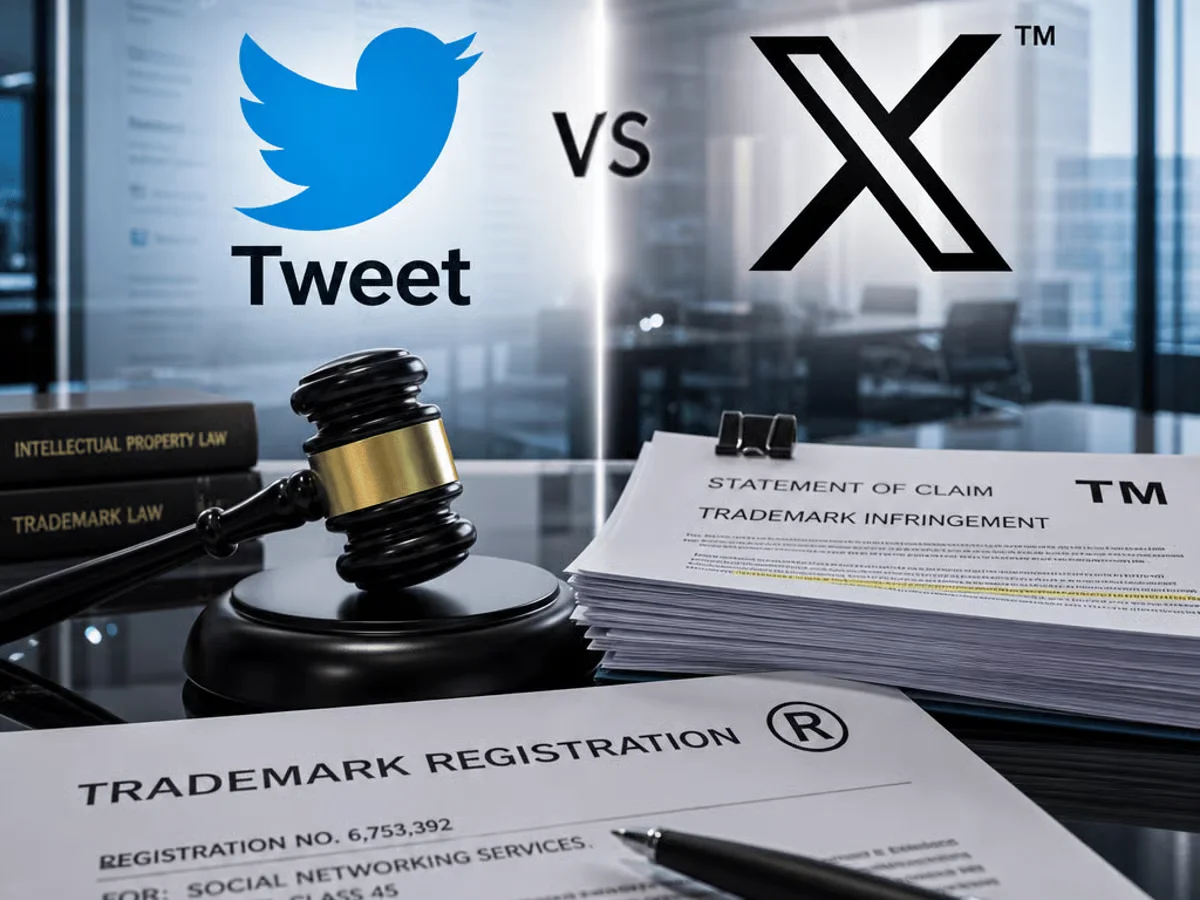
The Delaware federal court has sided with X over the use of the Twitter name while allowing a rival startup to continue using the word ‘Tweet’ and the platform’s original bird logo for now.
A US federal court has issued a mixed ruling in a trademark dispute between Elon Musk’s X and Operation Bluebird, a startup attempting to launch a rival social networking platform.
The Delaware court granted X a preliminary injunction preventing Operation Bluebird from using the Twitter name and several related trademarks. However, the ruling went the other way on two important pieces of Twitter’s former identity, the word ‘Tweet’ and the familiar blue bird logo. However, the decision is not the final judgment in the case. Instead, it determines what the startup can use while the wider trademark dispute continues in court.
Startup changes its name.
Operation Bluebird initially launched its platform under the name Twitter.now. Following the ruling, the company has shifted its branding to Tweet.app, relying on the court’s finding that X had likely abandoned its rights to the “Tweet” trademark.
Judge Colm Connolly found that X was likely to face difficulty proving continued rights to the term after its decision to replace the Twitter brand with X. The court similarly found evidence suggesting that the company had discontinued bona fide use of the original bird logo and did not intend to resume using it.
Why the Twitter name remains protected?
The court reached a different conclusion regarding the Twitter trademark itself. X successfully argued that allowing another social network to operate under the Twitter name could create consumer confusion and raise trademark concerns.
While X has moved away from the Twitter identity following Musk’s 2022 takeover and subsequent rebranding, the court hasn’t concluded that all of the company’s former trademarks have simply disappeared. Operation Bluebird has attracted significant attention as it attempts to build a platform around elements associated with the former Twitter brand. More than 172,000 people reportedly requested handles before its public launch, according to the startup. It has also charged users $20 to reserve a handle and join the service.
The eventual outcome could have wider implications for trademark abandonment, social media branding and intellectual property rights, particularly when a company substantially changes an established consumer-facing identity.