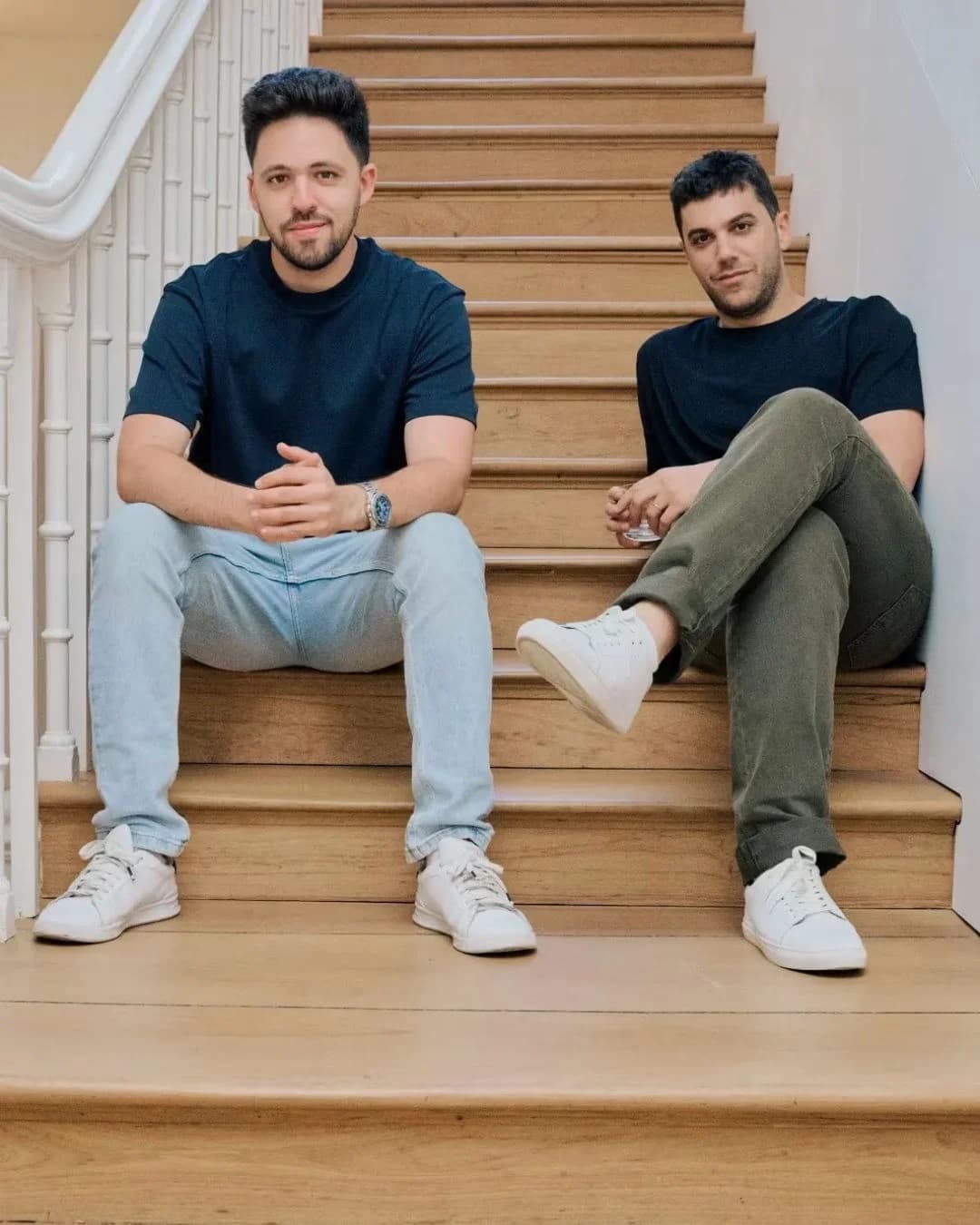
Astrek Innovations founder Robin Kanattu Thomas started building exoskeletons after watching his grandfather lose the ability to walk despite being clinically healthy enough to recover. The device is now deployed across nine rehabilitation centres, including two in Japan.
Robin Kanattu Thomas was thirty years old and already working with disability support organisations when his grandfather had spine surgery in northern Kerala. By every clinical measure, the recovery should have resulted in walking. Without access to sustained, high-quality rehabilitation, it never did. That gap between what was medically possible and what actually happened became the question Robin spent the next several years trying to answer.
The Problem He Found
Rehabilitation exoskeletons were already in use across Japan, Israel, Russia, and the United States. In India, they were virtually absent. Importing one unit could cost between Rs 1.5 crore and Rs 2 crore, and after-sales servicing from overseas engineers was neither reliable nor sustainable. Robin, along with co-founders Alex M Sunny, Jithin Vidya Ajith, and Vishnu Sankar, founded Astrek Innovations in Kochi in 2018 to build a homegrown alternative.
How the Device Works
Astrek’s lower-limb robotic device encompasses the legs and waist of the patient and incorporates motors for moving the legs with the purpose of mimicking the human walking gait using machine-learning algorithms that are informed by six years of human gait data. The modular design of the device permits a simpler manufacturing process and hence lower costs. Almost all the devices are manufactured in India. The target audience for the device includes stroke victims, patients with spinal cord damage, elderly people suffering from loss of mobility, and people undergoing rehabilitation.
The underlying science is neuroplasticity: repeated assisted walking motions help the brain form new movement pathways after injury, gradually rebuilding what was lost.
Where It Has Reached
Astrek currently operates across seven rehabilitation centres in Kerala and two in Japan, where it is used in elderly care settings in Okinawa. The company has also partnered with Abu Dhabi’s Department of Health for a stroke rehabilitation pilot and signed agreements with paediatric rehabilitation centres in Dubai and Israel. Commercial manufacturing in India awaits CDSCO certification. Between 15 and 20% of current manufacturing is carried out by people with disabilities through fabrication partners in Kochi.