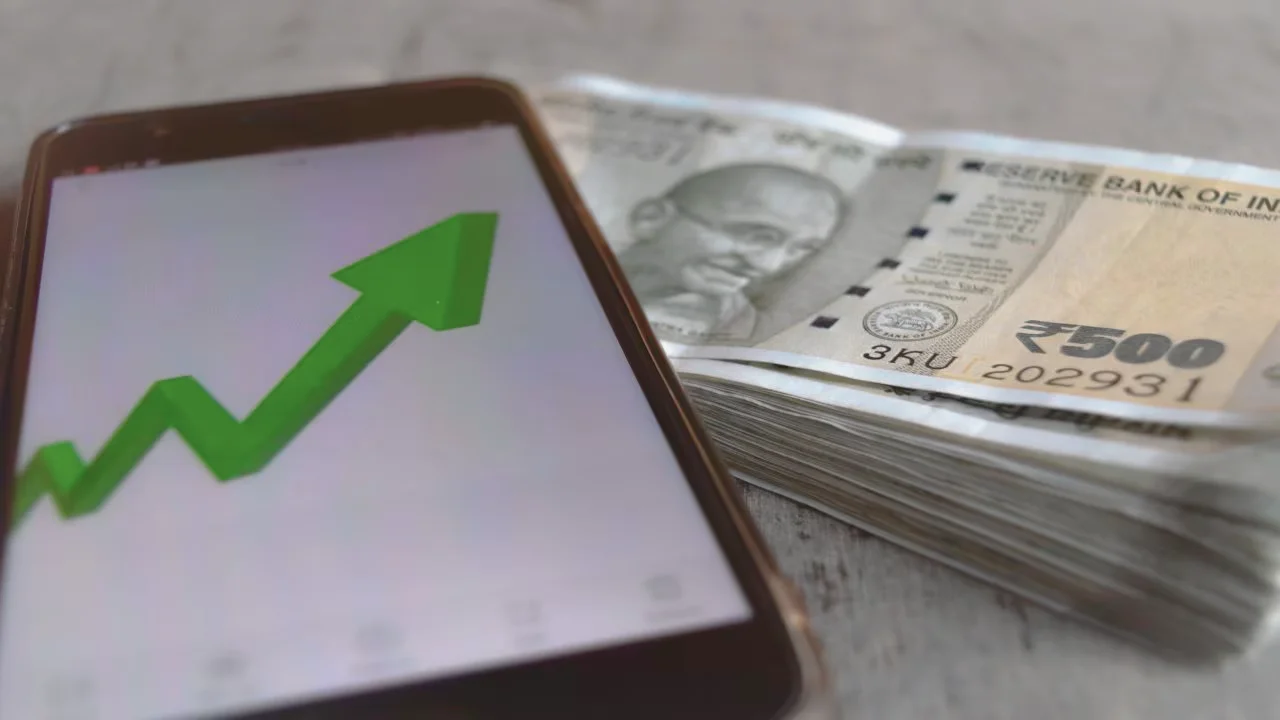
Digital payments are becoming an increasingly important part of how investors fund brokerage accounts, mutual fund investments and IPO applications.
The Unified Payments Interface (UPI) is gaining a larger role in India’s capital markets, with securities brokers and dealers emerging as a major source of transaction growth. Between October 2025 and March 2026, brokerage-related UPI payments crossed 21.3 crore transactions with a combined value of around ₹2.95 lakh crore.
The figures underline how quickly instant digital payments have become integrated into everyday investment activity. Retail investors can use UPI to transfer funds to trading accounts, make mutual fund payments and complete other investment-related transactions without relying on conventional bank transfers.
Securities brokers see stronger transaction activity.
The momentum continued in the first half of 2026. Data from the National Payments Corporation of India (NPCI) showed that UPI payments to securities brokers and dealers reached ₹60,945 crore in June 2026. That represented a 38.5% increase from ₹43,986.5 crore recorded in the same month a year earlier.
The increase reflects the growing use of digital payment infrastructure within investment platforms. UPI is particularly suited to transactions that require quick confirmation, including IPO applications, systematic investment plans and brokerage account funding.
Convenience supports wider adoption.
The expansion of UPI in capital markets is closely linked to its speed and relatively simple payment process. Investors can authorise transactions directly through their banking applications, while brokers can process large numbers of payments electronically.
The system has also become an important component of IPO applications and other regulated investment processes. Verified UPI handles and additional checks introduced across the financial ecosystem are intended to improve transaction reliability and reduce the risk of payment-related fraud.
The government has maintained that ordinary retail UPI payments will remain free, while the potential treatment of high-value transactions could affect brokers and other financial-service providers. Meanwhile, UPI’s overall scale continues to expand. The payment system processed a record ₹29.53 lakh crore in transactions in March 2026, according to reported NPCI data.
For India’s capital markets, the increasing use of UPI points to a broader shift towards faster, digital-first investment payments. How transaction costs and regulatory rules develop will determine whether this growth continues at the same pace.