A long-simmering philosophical disagreement over the future of artificial intelligence took on a new, very public dimension this week, as Anthropic and OpenAI found themselves at odds with Microsoft, Nvidia, and others.
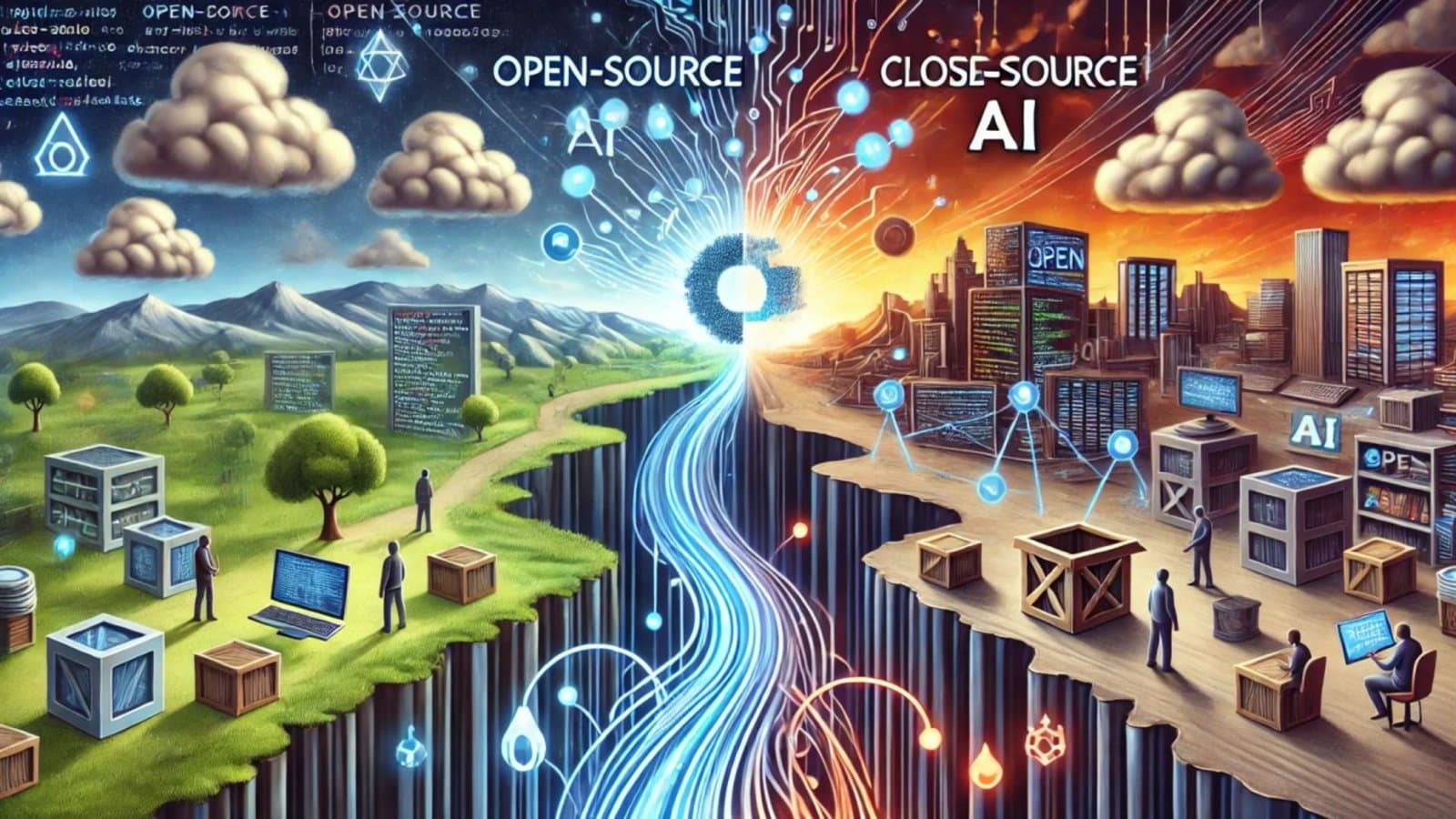
The debate over open-source versus closed AI development has run through Silicon Valley for years, but this week it escalated into open conflict among the industry’s biggest names. On one side sit leading AI labs like Anthropic and OpenAI, which argue that frontier AI models carry risks serious enough that they must be tightly controlled by the companies building them rather than released openly. On the other side stands much of the broader tech industry, including Microsoft and Nvidia, which insist that open-source AI models need to remain accessible so others can build on them and launch new businesses.
CEOs Weigh In Publicly
The tension broke into public view on Friday when Nvidia CEO Jensen Huang, posting to X for the first time, wrote that “the world needs both frontier closed models and frontier open models.” Just nine minutes later, Microsoft CEO Satya Nadella posted that open-source software was “essential to a healthy AI ecosystem.” Both executives signed a letter backing open-source AI, joined by leaders from Meta, Palantir, and IBM.
A Divide With High Stakes
The debate reflects the two sides’ different approaches to the need for innovation versus safety as artificial intelligence becomes more prevalent. Companies advocating for closed models believe that limiting access will reduce the risk that AI technology is used irresponsibly, whereas supporters of open-sourcing argue that innovation will be stifled if only a few companies control the technology and that others will be able to develop AI quicker if they have easier access to the technology.
The debate represents the latest in a series of high-profile public standoffs between major players in the space, and serves as a useful reminder that tensions around governance and safety continue to define the competitive landscape in which these technologies are being developed.