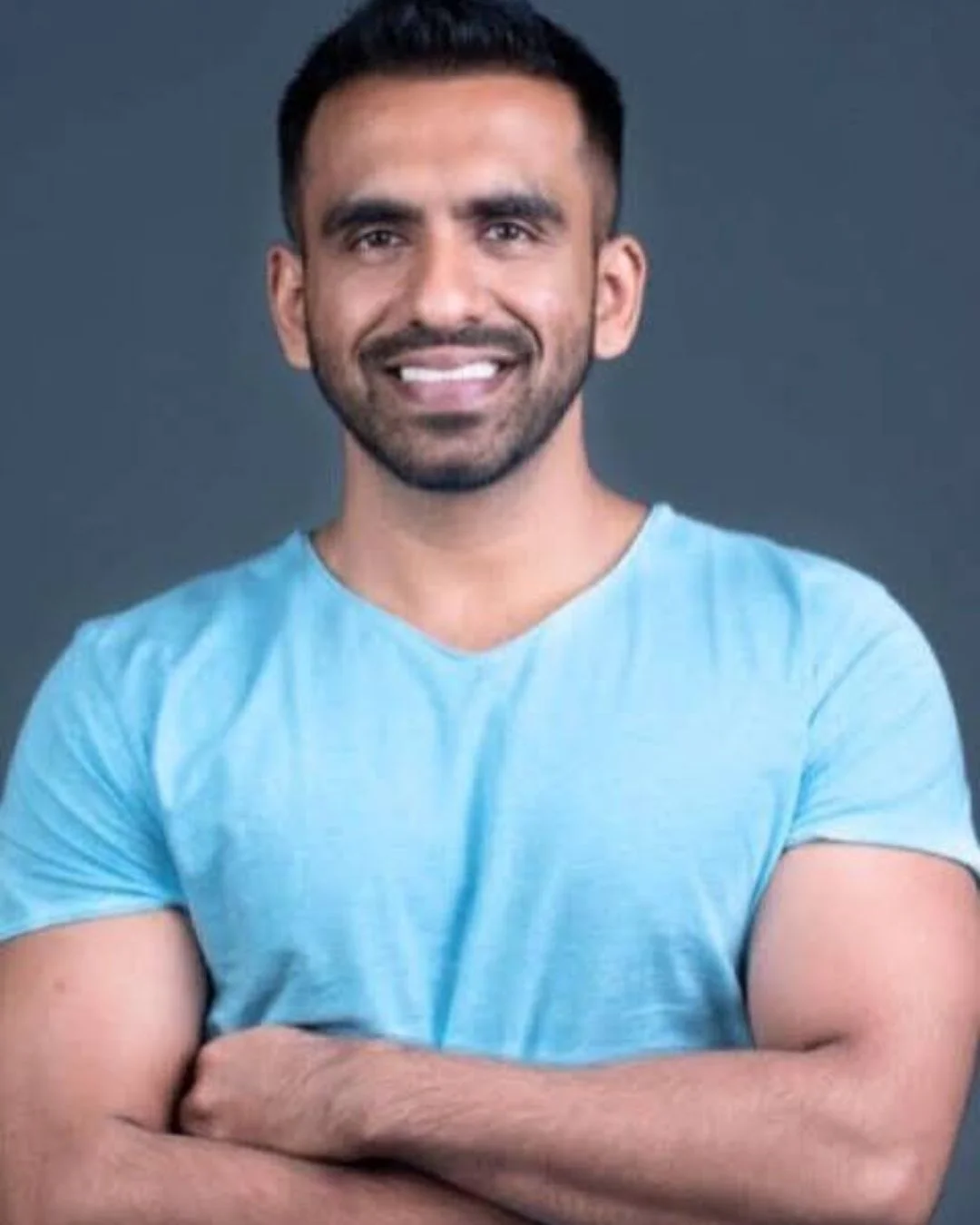
Abhishek Agarwal’s account of facing extreme financial hardship at 18 has sparked a wider conversation about resilience, risk, and the realities of entrepreneurship.
For Abhishek Agarwal, one of the most difficult periods of his life came long before he became a startup founder. At 18, he says, he experienced what it meant to have almost no money, including struggling to afford education and basic food. Agarwal recently revisited that period in a LinkedIn post that attracted considerable attention online.
While he shared his experience of financial hardship, he believes it also changed his understanding of fear and uncertainty. The founder of The Deliberate Pause said that the experience taught him that reaching a very low point doesn’t necessarily mean a person cannot recover.
How hardship influenced his approach to business.
Agarwal connected his experience of financial insecurity with the risks involved in entrepreneurship. Business failures, rejected ideas, lost money, and professional setbacks can be difficult, but he said his earlier experience gave him a different reference point. Having already experienced severe scarcity, the possibility of another setback didn’t carry the same level of fear.
That perspective, he suggested, has influenced the risks he has taken as an entrepreneur. Instead of viewing failure as an irreversible outcome, he became more aware that difficult circumstances can eventually be overcome. His argument isn’t that poverty is desirable, or that suffering automatically creates successful entrepreneurs. Rather, his experience illustrates how personal circumstances can shape an individual’s attitude towards uncertainty.
LinkedIn debate focuses on resilience.
The post generated a range of responses from LinkedIn users, many of whom related to surviving a personal low point. Several commenters argued that serious hardship can build confidence: once people know they have survived their worst period, subsequent failures may seem less intimidating.
Others pointed out that resilience shouldn’t be confused with glorifying poverty. Financial hardship can have serious consequences for health, education, confidence and future opportunities. The discussion therefore moved beyond Agarwal’s personal story to a broader question about startup failure, entrepreneurial risk and resilience.
Agarwal’s story offers a perspective that is particularly relevant to entrepreneurship, where uncertainty and failure are common parts of building a business. For founders, setbacks can involve financial losses, rejected ideas, unsuccessful products or difficult business decisions. His experience suggests that the ability to recover can sometimes matter as much as the ability to succeed immediately.
The larger takeaway from the discussion isn’t that people need to hit rock bottom to become courageous. It is that difficult experiences can change how individuals understand risk. For some entrepreneurs, knowing they have survived a major setback may make the next challenge easier to face.