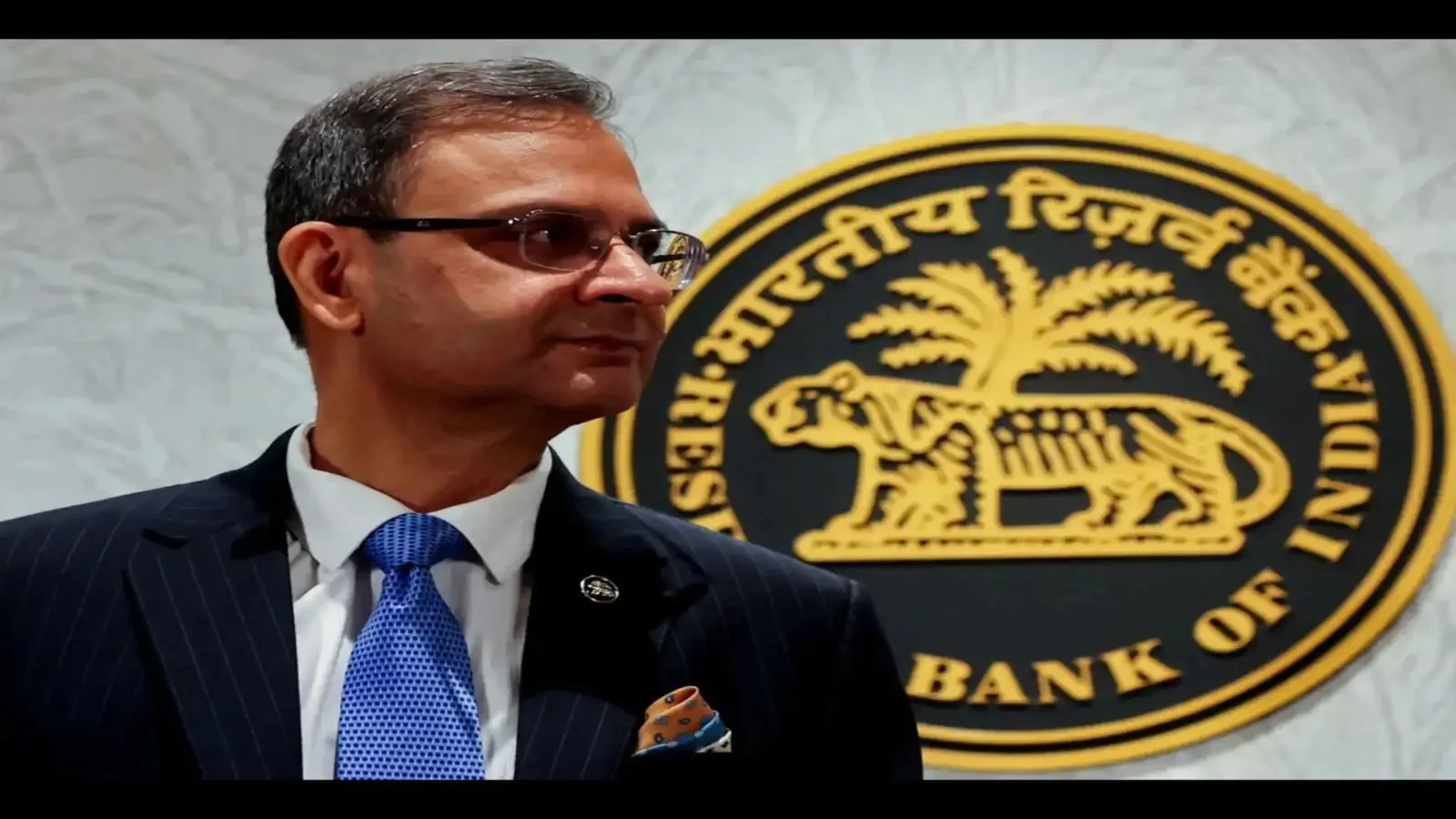
Strong response to the foreign currency deposit scheme prompts the central bank to bring forward the closure date.
The Reserve Bank of India (RBI) will close its special foreign exchange swap facility for banks a month earlier than originally planned, following a stronger-than-expected response from non-resident depositors. The facility, introduced in June, has now attracted more than $50 billion in foreign currency inflows, strengthening India’s external position. The RBI said banks can now use the zero-cost foreign exchange hedging facility for eligible overseas deposits raised until August 31. The original deadline was September 30.
The decision follows a sharp rise in Foreign Currency Non-Resident (Bank) or FCNR(B) deposits. As of August 13, the RBI had received $52.3 billion through the programme. The facility was introduced as part of measures to encourage foreign exchange inflows and support India’s balance of payments. Under the arrangement, banks could mobilize fresh FCNR(B) deposits from non-resident Indians and swap the associated dollar funds with the central bank at favourable terms.
Foreign exchange inflows exceed expectations.
The scale of the inflows has significantly exceeded early expectations. When the programme was launched, policymakers expected to attract foreign currency deposits in the later months of the facility.
The latest figures suggest that banks have mobilized funds much faster than anticipated. Apart from the $52.3 billion raised through FCNR(B) deposits, the RBI has received additional inflows through other swap arrangements, including $1.7 billion linked to external commercial borrowings and $2.8 billion through overseas borrowings by authorized lenders. The RBI’s decision comes as India’s foreign exchange reserves have also strengthened. Reserves reached around $707 billion in the week ended August 7, up $14.1 billion.
Other swap windows remain open.
The early closure applies specifically to the FCNR(B) deposit-related facility. Swap arrangements connected with external commercial borrowings and overseas borrowing by authorized dealers will continue until the end of 2026.
The move reflects the RBI’s assessment that the targeted deposit programme has already generated substantial foreign currency resources. With the scheme having attracted funds well ahead of the original schedule, extending the window was no longer considered necessary.
The development also comes amid continued pressure on the Indian rupee and broader global currency volatility. The RBI has been actively managing foreign exchange liquidity and market conditions as external risks, including elevated oil prices and geopolitical tensions, continue to influence India’s currency markets.