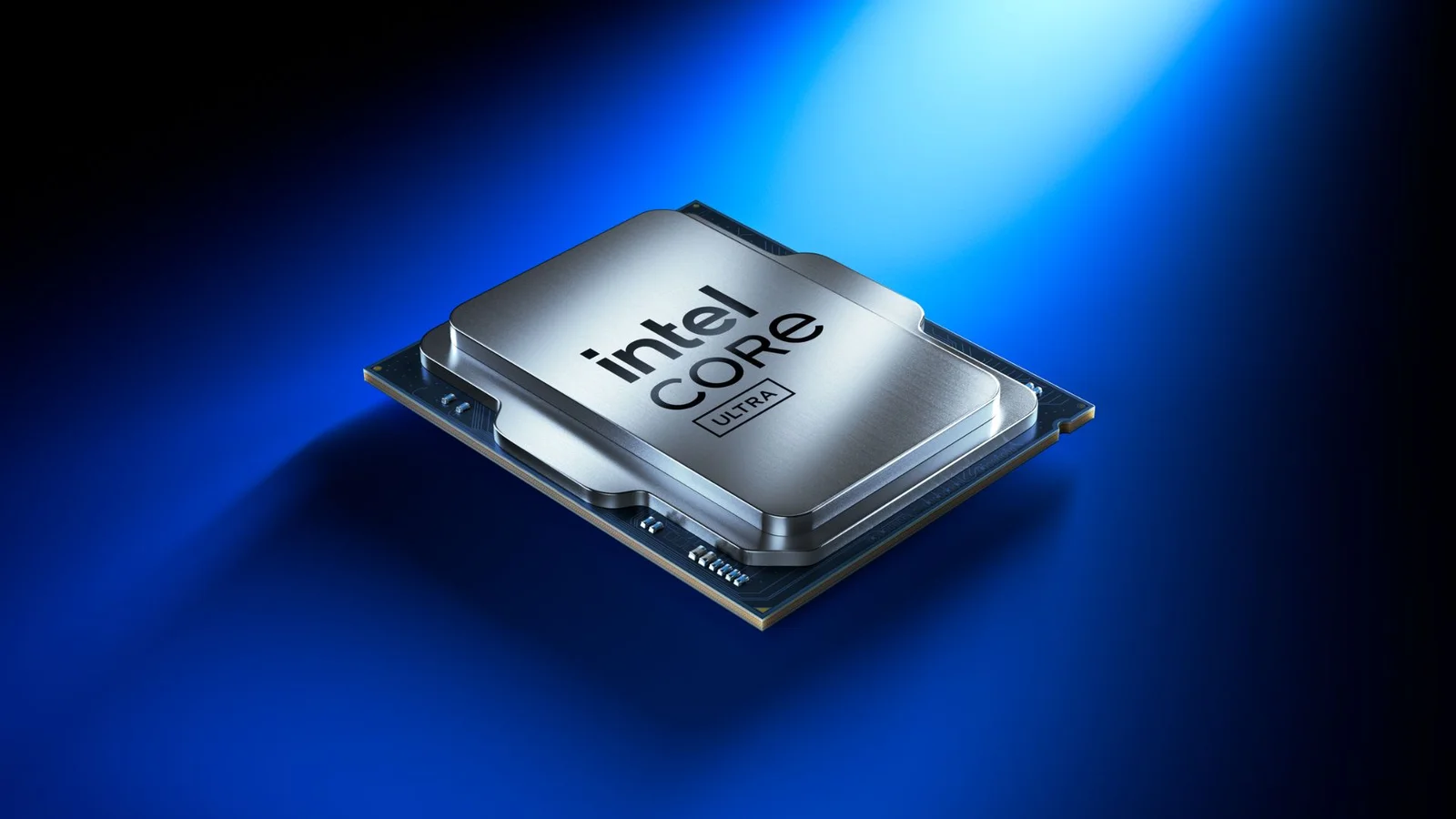
Intel’s reported move toward stacked cache technology could narrow the performance gap between desktop processors and gaming laptop CPUs, although the technology remains largely unconfirmed for mobile devices.
Intel’s upcoming processor generation could introduce a major change in how CPU cache is used, with potential implications extending beyond desktop computers to gaming laptops. AMD has gained a strong position in gaming processors through its 3D V-Cache technology, which places additional high-speed cache memory close to the CPU cores. The approach can improve performance in demanding workloads, particularly games that benefit from quick access to frequently used data.
Intel is reportedly preparing its own version of the concept, known as Big Last Level Cache (bLLC), for its next-gen Nova Lake desktop processors.
More on the Big Last Level Cache.
CPU cache is a small amount of extremely fast memory located close to the processor. It helps reduce the time a CPU needs to access frequently used information, which can be particularly important for gaming and other performance-sensitive applications.
Intel’s bLLC approach is expected to expand the amount of cache available to the processor. The company has not yet provided a complete public picture of how the technology will work across its future product range, but its development signals a shift in the competitive landscape for high-performance CPUs. Intel executive Robert Hallock has indicated that the company plans to introduce the consumer technology on desktop processors first.
Why gaming laptops could benefit?
Although Intel’s initial focus is reportedly on desktop chips, the technology could eventually become relevant to gaming laptops. Gaming notebooks increasingly aim to deliver desktop-class performance in a portable form factor. However, their smaller chassis, thermal limitations and restricted power budgets make it difficult to match the sustained performance of larger desktop systems.
A larger CPU cache could provide another way to improve gaming performance without relying solely on higher clock speeds or increased power consumption. If Intel eventually adapts bLLC for mobile processors, gaming laptops could benefit from faster CPU performance while retaining their portable design. The development also highlights the continuing competition between Intel and AMD in the gaming CPU market. AMD’s X3D processors have established stacked cache as an important performance feature, particularly among PC gamers.
For now, the development points to a broader industry trend: future gaming performance may depend not only on faster processor cores, but also on how efficiently CPUs can access the data they need.