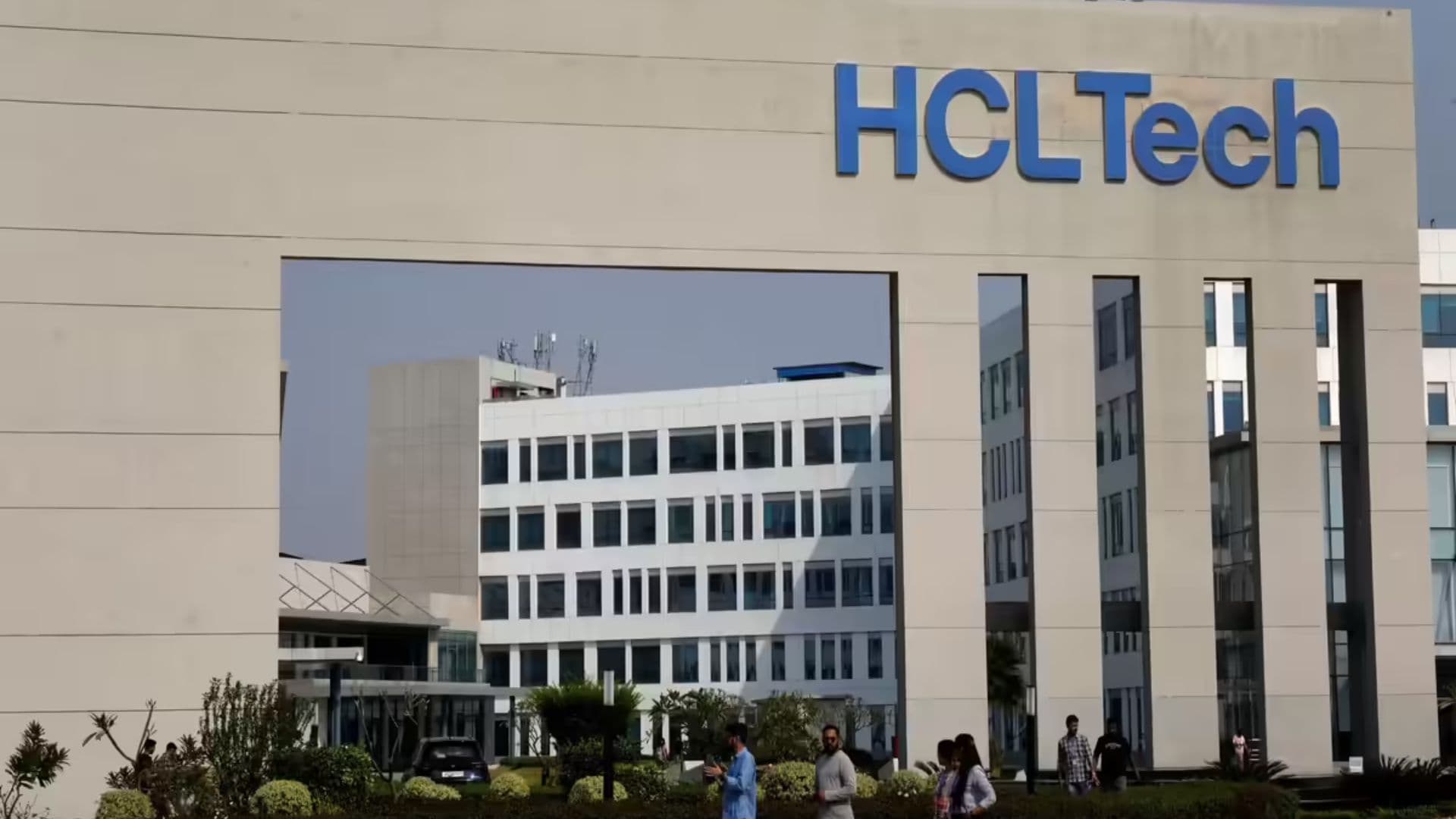
India’s third-largest IT firm is building ifts first AI data center in Bhubaneswar as it pushes to deliver full-stack AI services beyond traditional outsourcing, following its $150 million stake in Sarvam last month
HCL Technologies has announced an investment of ₹14,257 crore ($1.48 billion) in building its first artificial intelligence AI data center in eastern India’s Odisha, in a strategic shift to position itself as a preferred partner for AI infrastructure, beyond its IT services.
The Partnership and the Project
The data center will be built in Bhubaneswar in partnership with Sarvam AI, the homegrown AI company in which HCLTech acquired a 10.5% stake for $150 million just last month. The project will combine HCLTech’s full-stack AI capabilities with Sarvam’s foundation models to deliver sector-specific AI applications for both government-owned and private enterprises. Financial support from the Odisha government will also be part of the investment structure.
A 5,000-Seat Technology Centre
Alongside the data center, HCLTech announced it is opening a technology centre in Bhubaneswar that will house 5,000 employees, with operations expected to begin by 2028. The twin announcements represent one of the most significant commitments any major Indian IT firm has made to a single state in recent years.
The Strategic Vision
HCLTech CEO C Vijayakumar has been explicit about the company’s ambitions. Speaking at a post-earnings press conference last week, he described the goal of delivering AI services as a complete chain, covering data centers, GPUs, models, and the applications built on top of them. The value of playing the full stack rather than individual components, he said, is of a significantly different magnitude.
The move positions HCLTech alongside TCS, which announced plans in November to invest $2 billion in AI data centers in partnership with private equity firm TPG. India’s IT services majors are increasingly betting that owning AI infrastructure is the next competitive frontier, with India seen as a key market given its large internet user base and comparatively lower power and operating costs.