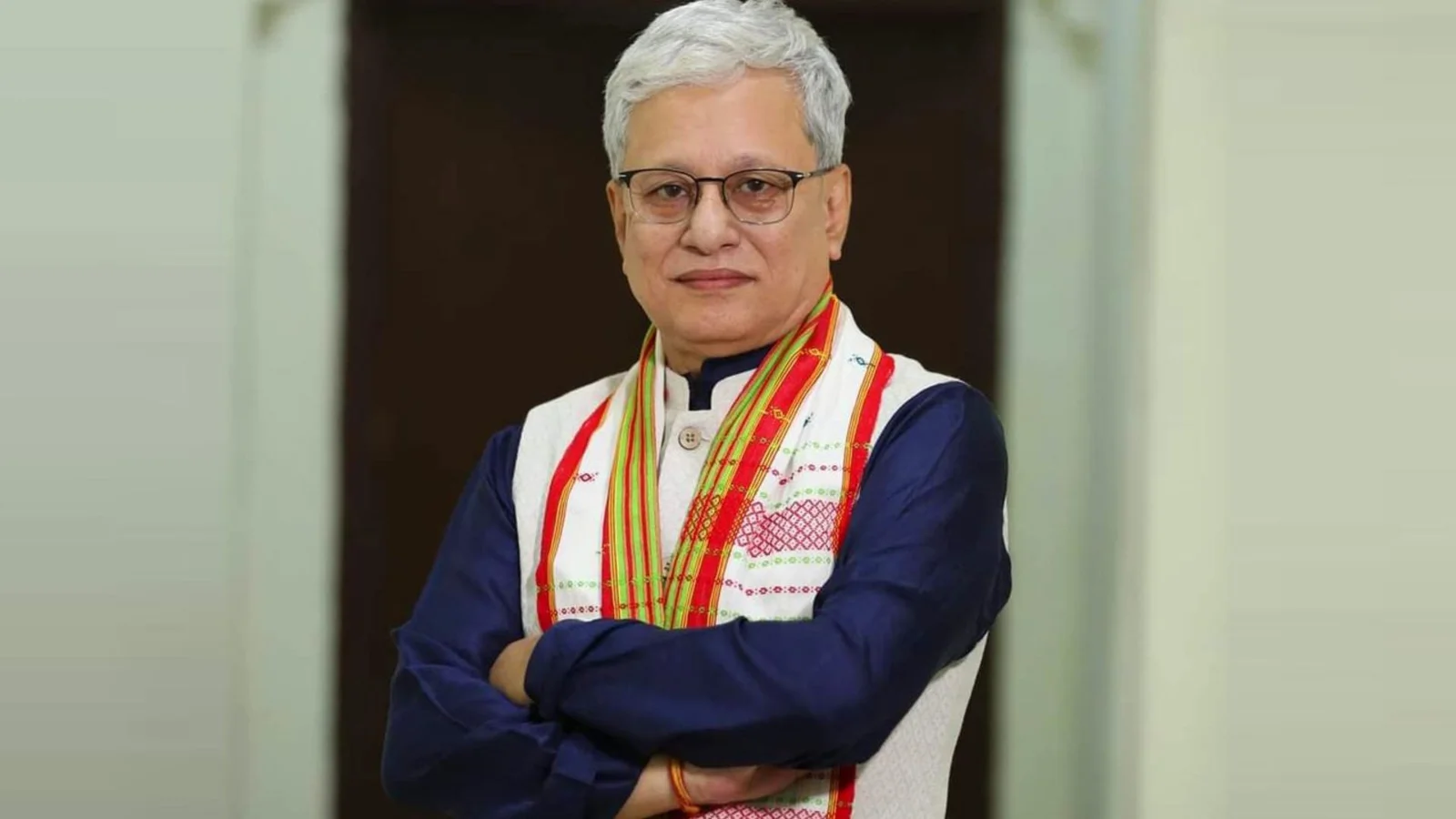
At a recent event in Nashik, the governor stressed the need to combine emerging technologies and scientific learning with India’s traditional knowledge to prepare young people for a changing world.
Jishnu Dev Verma, Maharashtra’s Governor, recently at an event in Nashik called for a broader approach to youth education, urging people to make use of artificial intelligence and modern science while remaining connected to India’s traditional knowledge systems.
Verma highlighted the importance of giving the youth access to new technologies without overlooking the values and the perspectives that have developed through India’s long intellectual and cultural history.
AI is emerging as a key skill for youth.
Artificial intelligence is rapidly influencing education, employment, business and scientific research. Against this backdrop, Varma emphasized the need for young people to develop technological capabilities to adapt to evolving professional requirements.
The growing use of AI is also changing the skills expected from students and young professionals. Beyond technical knowledge, understanding how to use emerging technologies responsibly is becoming increasingly important. For India, which has one of the world’s largest young populations, developing these capabilities could have wider implications for productivity, innovation and employment.
Bringing science and traditional knowledge together.
Varma’s remarks also focused on the relationship between modern scientific progress and India’s ancient knowledge traditions. Rather than treating the two as separate areas, he advocated an approach that brings technological education together with ethical and cultural understanding. India’s Indian Knowledge System (IKS) encompasses traditions spanning mathematics, astronomy, medicine, philosophy, agriculture, and education. The broader discussion around integrating these traditions into contemporary learning has gained attention under the National Education Policy (NEP) 2020.
The challenge, however, lies in ensuring that traditional knowledge is studied through appropriate academic and scientific frameworks while modern technology is adopted with similar attention to ethics and social responsibility.
Varma’s comments add to the wider debate about how India should prepare its youth for an increasingly technology-driven economy while retaining its cultural and intellectual identity.
The approach ultimately places education at the centre of that balance. Equipping young people with AI and scientific skills, while encouraging a grounded understanding of history, ethics, and indigenous knowledge, could shape how the next generation responds to both technological opportunities and the challenges that accompany them.