The Kohinoor-inspired glass bottle, handcrafted by artisans in Agra and now patented, has become the face of a brand that wants to prove Indian companies can compete at the highest end of the global consumer market
Most beverage brands lead with what is inside the bottle. Malaki leads with the bottle itself. Its sharp crystal-like edges, inspired by the Kohinoor diamond and handcrafted by glass artisans in Agra, make it look more like a luxury object than a grocery item. That distinction is entirely intentional. For founder Mohit Bhatia, the design was always an argument: Indian brands can be premium, aspirational, and globally recognised.
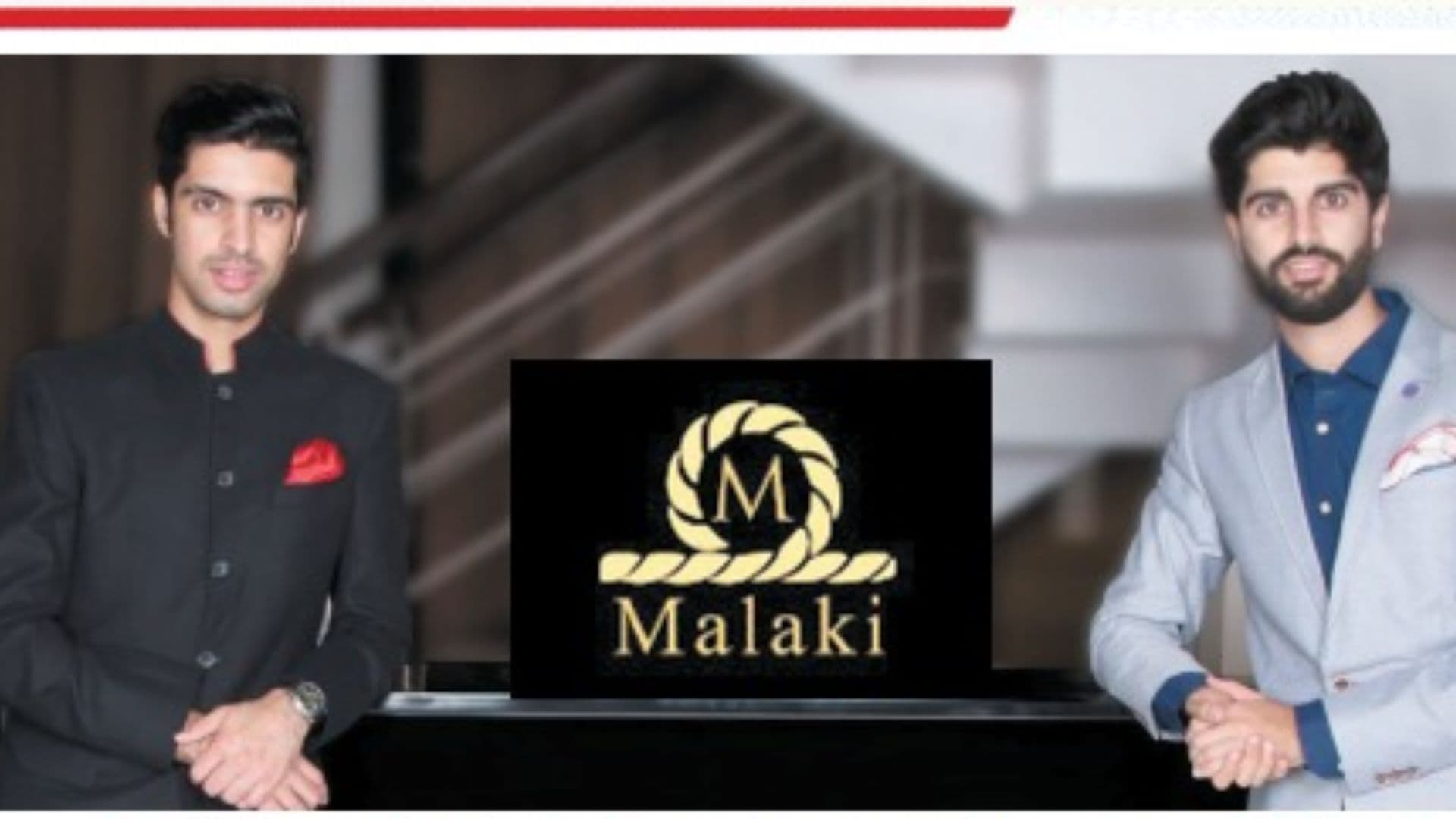
The Man Behind the Brand
Bhatia has had a career full of interesting experiences and he worked in many different industries like investment banking, law, business, and the culinary arts. He was able to see a particular trend that was happening in India over the last ten years regarding consumer interests which hadn’t hit the beverage category yet. Many industries like fashion, beauty, and restaurants had some respectable Indian brands, but beverages were still ruled by foreign companies and local generic products.
The company he co-founded with Ashish Bhatia takes its name from the Arabic word for royalty, a discovery Ashish made during time spent in Dubai. The name stuck because it captured the experience the founders wanted customers to feel from the first moment they saw the product.
Building the Business
Malaki’s early test was 24-karat gold water, a product that drew scepticism before it found a steady audience in luxury hotels and hospitality chains. The company has since raised over Rs 10 crore including a Rs 5.7 crore seed round, and is expanding into the UAE, Maldives, and Sri Lanka. A closed-loop glass recycling pilot is underway in Goa, using electric vehicles to collect used bottles.
The bottle design is now patented. Customers frequently recognise it before reading the label, which Bhatia considers one of the brand’s most meaningful early achievements.