Suman Chakraborty says India’s premier technical institutions should expand their role beyond campus research and mentor institutions, businesses, and emerging innovators.
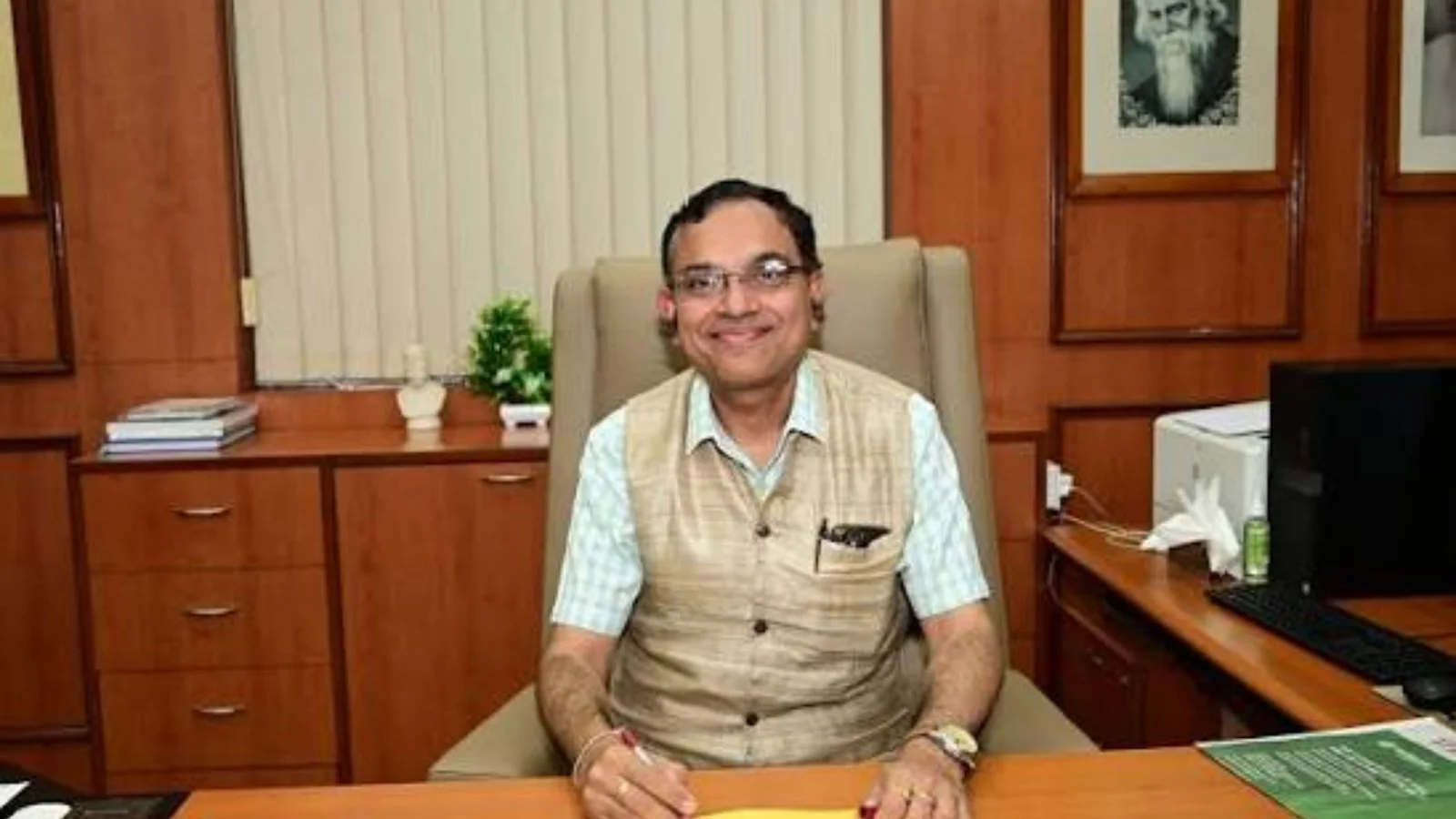
According to IIT Kharagpur Director, Suman Chakraborty, the role of Indian Institutes of Technology (IIT) should extend well beyond academic achievements and research published within their campuses. He has called for IITs to take a wider mentoring role and help build a stronger innovation ecosystem.
Speaking at IIT Kharagpur’s research park in Rajarhat, Chakraborty argued that the success of an IIT should be judged by the impact it creates outside its own institutional boundaries. He said that IITs could support and mentor a much broader network that includes National Institutes of Technology (NITs), Indian Institute of Information Technology (IIITs), universities, colleges, and schools.
Focusing on the wider innovation ecosystem.
The proposed approach by Chakraborty would also extend to micro, small and medium enterprises (MSMEs), hospitals, local governments and entrepreneurial ecosystems. The idea reflects a shift from viewing premier technical institutes primarily as centres of advanced education and research towards treating them as wider platforms for knowledge-sharing and innovation. India’s innovation landscape includes institutions and organisations with very different levels of access to research infrastructure, technical expertise and specialised talent. Greater collaboration between IITs and these groups could help bridge some of those gaps.
IIT Kharagpur already has programmes that emphasise mentorship and wider access to research opportunities. Its KRITI initiative, for instance, aims to expand access to research, mentorship, infrastructure, and ideas for talented students across the country. The institute is also involved in structured mentorship programmes, including initiatives supporting entrepreneurship and technology development. Its agriculture business incubation platform, for example, provides access to mentors with expertise in areas such as food technology, bioenergy and processing.
From institutional excellence to national impact.
Chakraborty’s comments place greater emphasis on collaboration as a driver of national innovation. Under this approach, IITs wouldn’t operate as isolated centres of excellence but contribute knowledge, expertise and mentoring capacity to a larger network. Such a model could connect academic research more closely with practical challenges faced by businesses, public institutions and communities.
The broader objective, according to Chakraborty, is to encourage a national innovation movement in which IITs help strengthen capabilities across sectors rather than measuring progress only through their own academic and research achievements.
The proposal comes as India continues to place greater emphasis on technology, entrepreneurship, research and indigenous innovation as drivers of long-term economic and social development.