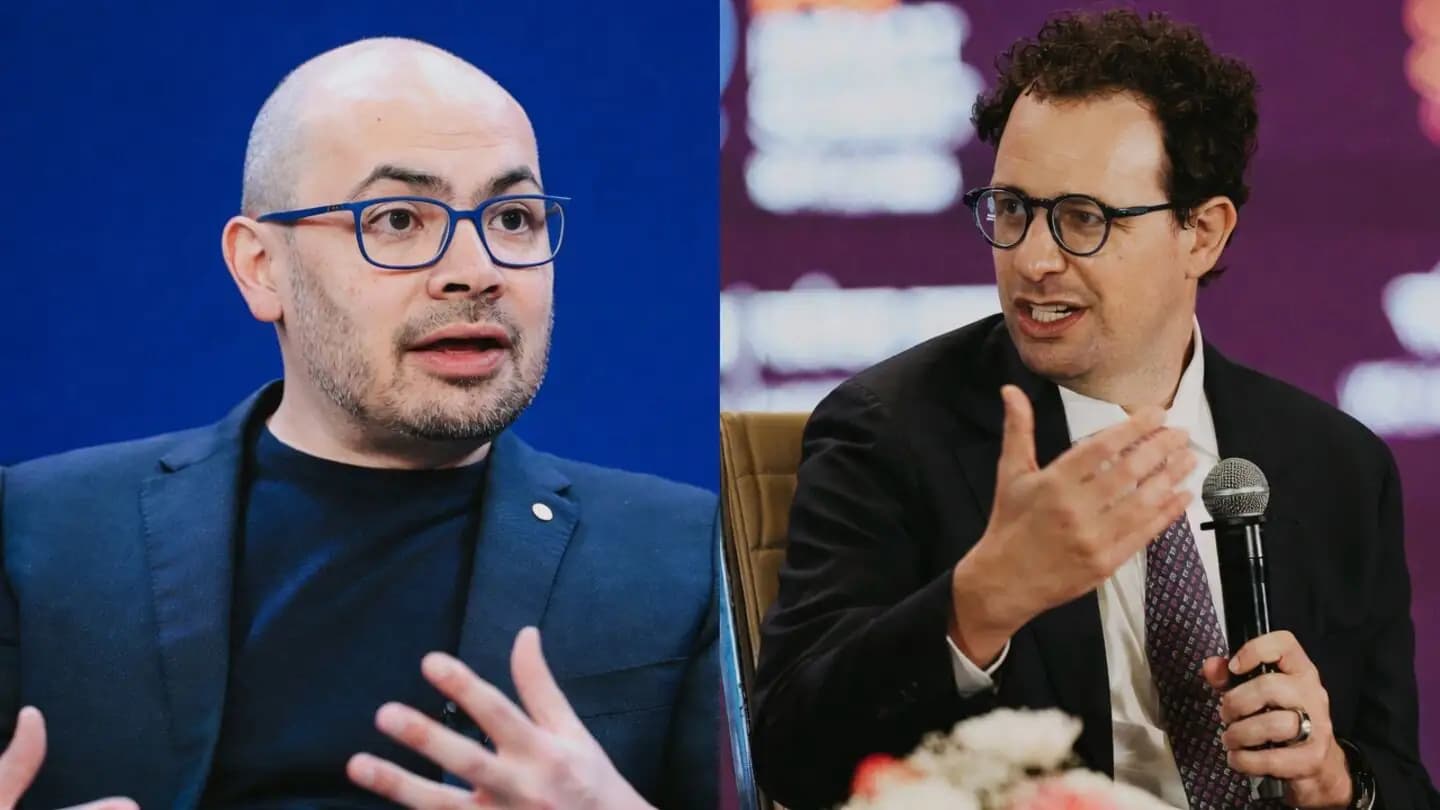
Agreement focuses on responsible AI, secure digital infrastructure and the growing role of intelligent telecom networks.
India’s telecom and technology ecosystem is set to deepen cooperation with the United Kingdom on AI, digital connectivity, and online trust following a new memorandum of understanding (MoU) between the Cellular Operators Association of India (COAI) and the British High Commission.
The agreement was signed at the CO.AI 2026 event in New Delhi, where government officials, telecom companies, technology firms and other stakeholders discussed how artificial intelligence is changing the country’s digital infrastructure.
AI moves closer to telecom infrastructure.
The discussions at the event focused on three broad areas: AI-enabled autonomous networks, digital security and resilience, and the use of AI for public services and citizens.
This focus reflects a shift in how telecom networks are viewed. Beyond providing connectivity, networks are increasingly expected to use AI to monitor performance, detect unusual activity and respond to potential threats more quickly. For India’s telecom sector, AI could affect network efficiency, consumer protection, and the ability to manage increasingly complex digital systems.
Digital trust becomes a central concern.
The agreement also comes at a time when AI-powered fraud and online scams are becoming a growing concern for governments and technology companies. At the event, officials discussed using AI not only to detect fraudulent activity but also to identify patterns that could help institutions intervene before digital harm spreads.
Acting British High Commissioner to India Ben Mellor said cooperation between governments and industry would be important as criminals increasingly use AI-enabled tools. He also pointed to AI’s potential to help identify emerging patterns of fraud and other threats. TRAI Chairman Anil Kumar Lahoti stressed that AI regulation needs to balance several objectives, including investment, competition, innovation, service quality and consumer protection.
That balance is becoming increasingly important as AI adoption expands across telecom and other sectors. Regulation that is too restrictive regulation could stifle innovation, while insufficient safeguards could increase risks to privacy, security and consumer protection. Lahoti also noted that international cooperation can be useful when technology-related challenges cross national borders. COAI Director General SP Kochhar said India’s next phase of connectivity would need to be intelligent, secure, resilient and focused on citizens. The MoU between COAI and the British High Commission therefore emphasizes not simply expanding connectivity, but building greater trust and resilience around the digital systems that support it.