The talent hunt will test aspiring writers and directors on their ability to use generative AI for short-form cinematic storytelling.
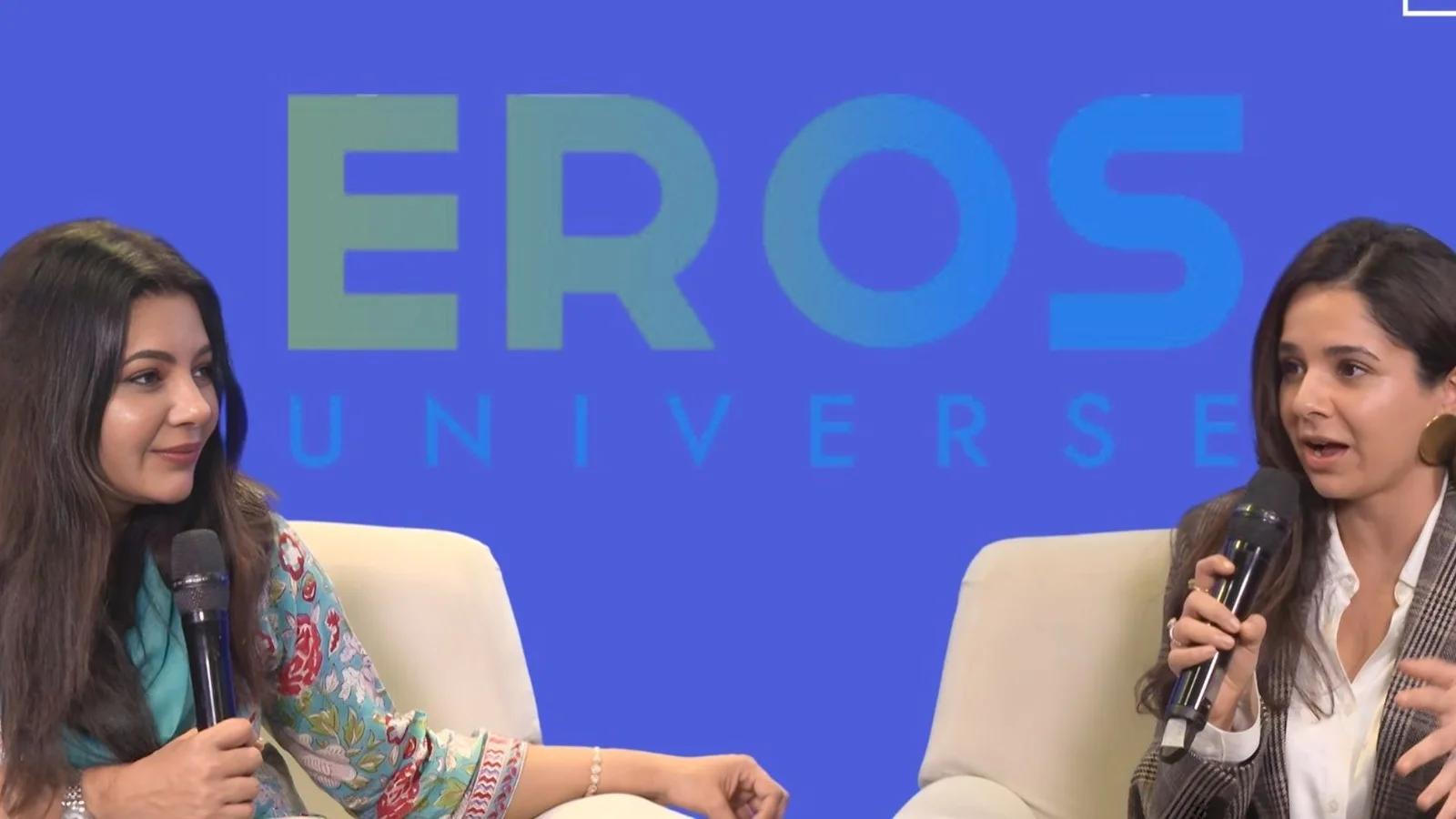
EROS Universe is all set to bring its AI Creator Audition to Hyderabad on August 16 as part of a four-city talent discovery programme. It’s aimed at identifying emerging writers and directors working with generative artificial intelligence.
The initiative reflects the growing intersection of AI and India’s creative industries, particularly filmmaking and digital storytelling.
A new opportunity for AI-native creators.
The audition is for identifying creators who can use AI as part of the filmmaking process. Participants will take part in a six-hour challenge in which they are expected to develop AI-generated microfilms.
The focus on AI-native writers and directors points to a changing creative landscape. Generative AI is increasingly being used for tasks such as visual development, character creation, voice generation and video production. For filmmakers, these tools can alter how ideas are developed and presented, while also raising questions around authorship, originality and the use of intellectual property.
Four cities for the AI creator audition.
Hyderabad is the second stop in the nationwide programme. The audition began in Mumbai on August 7 and is scheduled to continue in Bengaluru on September 6 before concluding in Chennai on September 12.
The selection process is intended to look beyond conventional filmmaking experience and identify participants who can combine storytelling skills with emerging AI technologies. Winners are expected to receive contracts and further opportunities connected to the EROS Universe ecosystem, according to the announcement.
The initiative comes at a time when generative AI is becoming increasingly relevant to India’s entertainment sector. EROS Universe has positioned its platform around AI-assisted creation, including cinematic video, digital characters, voice experiences and other forms of content.
As generative AI continues to develop, initiatives like this could also offer an early indication of how creators and production companies adapt to new methods for developing cinematic content. The long-term impact depends on whether these technologies can complement human creativity while maintaining standards of originality, artistic quality and responsible use.